If you spend any time on Instagram or TikTok, you’ve probably run into the word “baddie” in a caption, a hashtag, a comment section, or a “how to become a baddie” tutorial. It gets used constantly, but rarely defined. That’s partly because it isn’t one fixed thing. “Baddie” is a slang term that carries a specific cultural history, a recognizable aesthetic, and a meaning that shifts depending on who’s using it and where.
This piece traces where the word came from, what it typically describes today, how the look and attitude associated with it spread across social platforms, and why you’ll sometimes see it used in a completely different, older sense. The goal isn’t to pin down one “correct” definition, but to explain the layers well enough that the term makes sense wherever you encounter it.
Where the Word Comes From
The confidence-and-style sense of “baddie” that dominates social media today isn’t a made-up internet neologism; it has real linguistic roots. According to Merriam-Webster’s slang dictionary, the term started showing up online in the late 2010s and carries a meaning close to the older phrase “bad bitch,” with both terms originating in African American English slang. In both cases, “bad” is used the way it’s long been used in Black vernacular English and in hip-hop culture: as a flip of the literal meaning, where “bad” signals impressive, attractive, or formidable rather than negative the same logic behind older phrases like “bad boy” or a “baddest” performer meaning the best one.
That lineage matters for understanding the word correctly. “Baddie” isn’t simply “bad” with a cute suffix invented by an app; it’s a newer entry in a long tradition of reclaiming “bad” as a compliment, feminized and popularized further once it moved from music and everyday speech onto visual, image-driven platforms.
From Slang to Aesthetic: What “Baddie” Describes Today
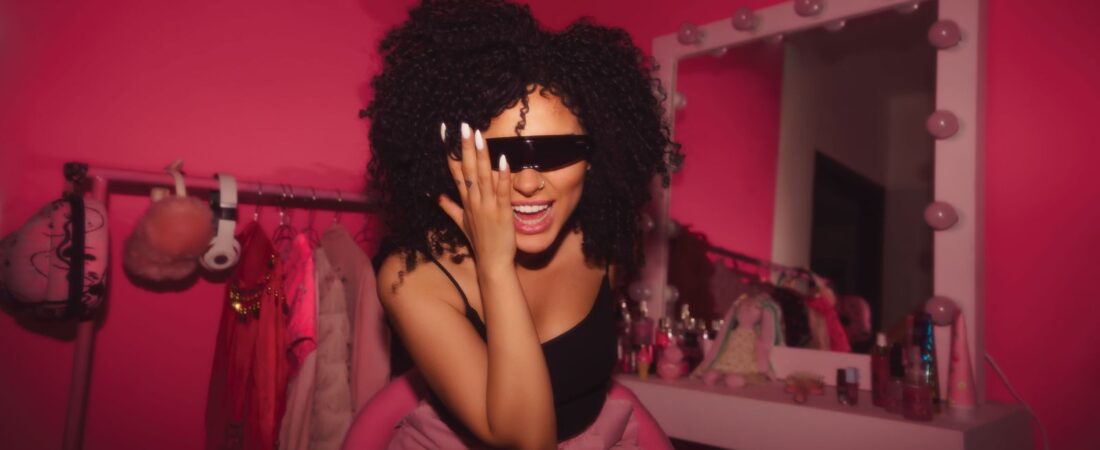
On social media, “baddie” typically describes a persona built around confidence, polish, and a specific visual style, rather than any single physical trait. The aesthetic side tends to include things like:
- Bold, defined makeup sharp eyeliner, filled-in brows, contour
- Sleek or voluminous styled hair
- Fitted, coordinated outfits, often leaning into streetwear or glam
- Curated photo and video content that emphasizes a confident, camera-ready look
The attitude side is arguably more central than the styling. Being described as a baddie usually implies self-assuredness, someone who comes across as unbothered, in control, and comfortable being looked at. That’s consistent with the term’s roots: it was never really about a checklist of products, but about projecting a certain energy.
It’s worth being clear-eyed that this is a subjective, informally-defined social category, not a fixed standard. Its exact meaning has always varied by community, region, and era, and different corners of the internet apply it a little differently.
Two Different Meanings, One Word
There’s a second, older sense of “baddie” that still exists alongside the slang meaning and sometimes causes confusion: in film, TV, and everyday speech, a “baddie” can simply mean a villain or antagonist the character you’re rooting against. That usage predates the social media slang term and comes from a much older, unrelated flip of “bad” (the straightforward negative sense, not the reclaimed one).
| Sense of “Baddie” | Typical Context | What It Signals |
|---|---|---|
| Confidence/style persona | Instagram, TikTok, fashion & beauty content | Self-assured, stylish, “unbothered” attitude |
| Villain / antagonist | Movies, TV, casual conversation | The bad guy in a story |
| General intensifier (“baddest”) | Music, informal speech | Best, most impressive, most skilled |
Context almost always makes clear which sense is meant a headline about a superhero movie’s “baddie” is not using the same word as a caption about a “baddie outfit.”
How the Baddie Look Spreads Across Platforms
The baddie aesthetic didn’t stay confined to one app, and the way it moved is a useful case study in how any visual trend travels online. A few mechanisms drive that spread:
Hashtags and searchable tags. Terms like #baddie or #baddieaesthetic act as an entry point once enough posts use a tag consistently, the platform’s search and “explore” surfaces start treating it as a recognizable category, making it easier for new posts (and new viewers) to find one another.
Short-form video and trending sounds. On TikTok in particular, a specific audio clip, transition, or format can carry an aesthetic far beyond the people who started it. Someone films a “get ready with me” video using a trending sound; the algorithm shows it to viewers who’ve engaged with similar content; some of those viewers make their own version using the same sound, and the loop repeats.
Creator collaborations and duets. When creators respond to, duet, or stitch each other’s content, they’re not just interacting they’re cross-pollinating each other’s audiences, which speeds up how quickly a look or persona spreads between separate follower bases.
Cross-platform reposting. Content rarely stays on one app. A TikTok clip gets reposted to Instagram Reels or X; a viral Instagram photo gets screenshotted into a Pinterest board. Each repost exposes the aesthetic to a different platform’s audience and search behavior, which is part of why a trend that starts in one place can quickly become a general search term across the wider internet.
Recommendation algorithms. Underlying all of this, recommendation systems learn which visual and behavioral patterns keep people watching, and surface more of that pattern to more people which is why aesthetics that get early traction tend to compound quickly rather than growing slowly and steadily.
The Creator Economy Connection
The baddie persona is also a useful example of how personal branding works in the broader creator economy. A recognizable visual identity consistent styling, a consistent tone, a consistent “vibe” gives a creator something distinctive to build an audience around, separate from any one viral post. From there, creators generally grow reach through consistent posting, community engagement (replying to comments, participating in trends, collaborating with peers), and gradually diversify into monetization paths common across the creator economy, such as brand partnerships or affiliate content. None of that is unique to “baddie” content; specifically it’s the same general playbook used across fashion, beauty, fitness, and lifestyle niches but the aesthetic’s visual consistency makes it a fairly clean example of personal branding in action.
Is “Baddie” Just a Rebrand of an Older Idea?
There’s real, ongoing discourse, much of it happening in the same social media spaces where the term thrives about what “baddie” actually represents. Some commentators frame it as a genuine expression of confidence and self-possession, continuous with the term’s roots in Black vernacular culture. Others push back on how the aesthetic gets marketed, arguing that “baddie” has been flattened by fashion brands and content mills into a generic, commercialized look that owes an uncredited debt to Black beauty culture without acknowledging it. Neither take is universally agreed upon, and both show up regularly in conversations about the term which is worth knowing if you’re researching it rather than just using it casually.
Frequently Asked Questions
What does “baddie” mean?
Most commonly today, it describes a persona associated with confidence, bold style, and self-assured attitude, popularized on social media in the late 2010s. It has roots in African American English slang, related to older terms like “bad bitch.” A separate, older meaning simply refers to a villain in a story.
Where did the term come from?
The slang sense traces back to African American Vernacular English, where “bad” has long been flipped to mean impressive or attractive rather than negative. It gained wider visibility online in the late 2010s.
Is “baddie” the same as “bad bitch”?
They’re closely related and often used interchangeably in casual speech, with “baddie” generally read as the more social-media-friendly, slightly softer term.
Does “baddie” only describe women?
In practice, it’s most commonly used to describe women, but the underlying idea of projecting confidence and a polished, deliberate style isn’t inherently gender-specific, and usage varies across communities.
Is “baddie” a compliment?
In its current slang usage, yes it’s generally intended and received as a compliment about someone’s confidence and style. The older “villain” sense is neutral-to-negative but refers to fictional characters, not real people.
Why do you see so many spellings and related terms “baddie,” “baddies,” “baddy”?
This is typical of internet slang: plural forms, informal alternate spellings, and related phrases (“baddie aesthetic,” “baddie energy,” “how to become a baddie”) all get searched and used interchangeably as a term moves from spoken slang into written online use.
The Bottom Line
“Baddie” is a slang term with real linguistic roots, not a marketing invention it comes from a long tradition in Black vernacular English of reclaiming “bad” as a compliment, and it picked up wider visibility once it moved onto image- and video-driven social platforms in the late 2010s. Today it mostly describes a confident, style-forward persona, though an older, unrelated “villain” sense of the word still exists in film and everyday speech. However it spreads through hashtags, trending sounds, creator collaborations, or algorithmic recommendation the underlying pattern is the same one that drives most social media aesthetics: visual consistency plus network effects. Understanding both the word’s history and its current usage makes it easier to read what someone actually means the next time it shows up in your feed.