Baddie culture has grown from a recognisable social-media aesthetic into a broader expression of fashion, beauty, confidence and digital identity. What once centred heavily on polished Instagram looks now includes everything from soft and minimal styling to Y2K fashion, elevated streetwear and luxury-inspired outfits.
At its heart, the baddie aesthetic is about intentional self-presentation. Fashion, makeup, hair, nails and lifestyle choices come together to create a look that feels confident and personal. Social media has played a major role in that evolution, allowing trends to spread quickly and encouraging creators to reinterpret them in their own way. As the culture continues to change, authenticity, individuality and personalisation are becoming increasingly important.
What Is Baddie Culture?
Baddie culture is more than a particular outfit or makeup style. It combines polished appearance with confidence, self-expression and an intentional approach to personal image.
The traditional baddie look was often associated with sculpted makeup, defined brows, styled hair, fitted clothing and statement accessories. Today, however, the definition is much broader. Someone can embrace a soft baddie, streetwear baddie, Y2K baddie or clean and minimal aesthetic while still fitting within the wider culture.
That flexibility is one of the reasons baddie culture has remained relevant. There is no single formula that everyone has to follow. Instead, the aesthetic gives people a framework for experimenting with fashion, beauty and identity.
How Social Media Shaped Baddie Culture
Social media is one of the biggest forces behind the growth of baddie culture. Instagram helped establish the highly curated visual style associated with the movement, particularly during the mid-2010s. Beauty looks, outfit photography, hairstyles and carefully edited lifestyle content created a recognisable digital aesthetic.
Black and Latina creators played an important role in shaping many of the visual conventions associated with early baddie culture, influencing beauty, fashion and online presentation.
TikTok later changed the speed of the trend cycle. Get-ready-with-me videos, outfit transitions, beauty tutorials and product recommendations made trends easier to discover and recreate. Instead of waiting for seasonal fashion cycles, users could see a look one day and adapt it to their own wardrobe almost immediately.
The result is a culture that constantly evolves through remixing. A popular hairstyle, bag, makeup technique or outfit combination can become widely recognised before quickly developing into several new variations.
Baddie Fashion and Outfit Trends
Fashion remains one of the easiest ways to recognise the baddie aesthetic, but today’s version is far more diverse than its earlier image.
Bodycon dresses and matching co-ord sets remain popular choices for a polished look. Tailored trousers paired with fitted tops can create a more sophisticated version, while oversized hoodies, leggings, cargo trousers and trainers bring streetwear into the mix.
Y2K influences have also become a major part of modern baddie fashion. Low-rise silhouettes, baby tees, statement accessories and nostalgic details can be combined with contemporary pieces to create a more current interpretation.
Accessories often complete the outfit. Layered jewellery, sunglasses, structured handbags and statement shoes can turn relatively simple clothing into a more deliberate look.
The key principle is not following one exact outfit formula. It is understanding proportion, colour, styling and confidence well enough to make the outfit feel intentional.
Baddie Beauty: Makeup, Hair and Nails
Beauty is central to baddie culture because the aesthetic often focuses as much on the preparation process as the final result.
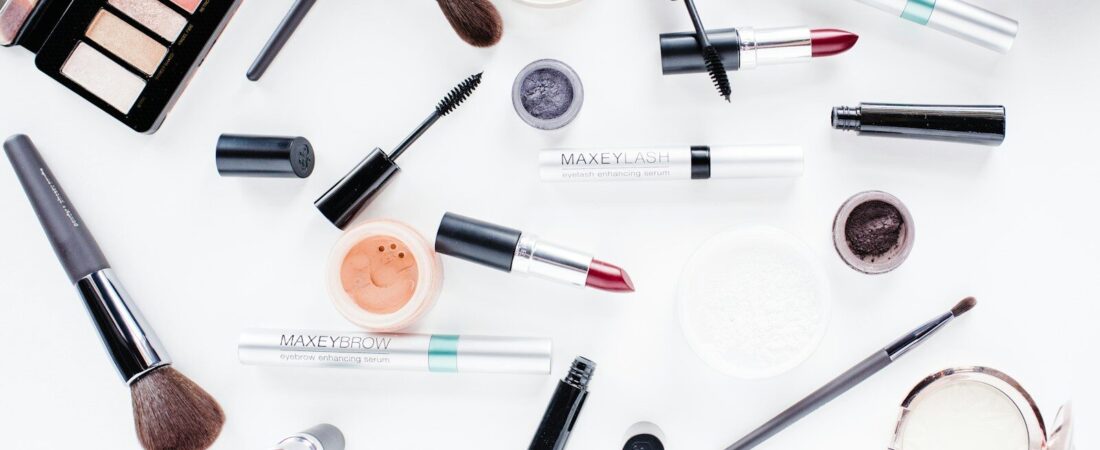
Classic baddie makeup tends to feature defined brows, blended contour, dramatic lashes and glossy or clearly lined lips. However, beauty trends have expanded considerably. Softer skin-focused makeup, neutral tones and understated finishes now sit alongside full-glam looks.
Hair is equally important. Sleek buns, styled edges, bouncy curls, ponytails and extensions can all work within different interpretations of the baddie aesthetic.
Nails have also become an important part of the overall look. French tips, sculpted designs, seasonal colours and detailed nail art allow people to add personality without changing their entire outfit.
This emphasis on the process explains the popularity of beauty content on social platforms. Get-ready-with-me videos and tutorials allow audiences to see how a look is created rather than simply viewing the finished result.
Baddie Lifestyle and Confidence
Baddie culture is not only about looking polished. Its lifestyle side is often connected with confidence, self-care, ambition and personal presentation.
The modern glow-up concept is a good example. Rather than simply changing someone’s appearance, a glow-up can represent becoming more intentional about routines, style, confidence and goals.
This is where baddie culture becomes more personal. The objective does not have to be copying an influencer or achieving a particular body type. It can simply mean developing a style that feels authentic and taking greater ownership of how you present yourself.
Confidence, therefore, can be just as important as clothing or makeup. The strongest interpretation of the baddie lifestyle is not perfection but self-expression.
Instagram, TikTok and Creator Culture
Instagram and TikTok continue to influence how baddie trends are created and shared, although they serve slightly different purposes.
Instagram remains strongly associated with curated visual identity. Profiles, Reels and photographs can create a consistent aesthetic that represents someone’s personal style.
TikTok is more focused on discovery, experimentation and rapid trend development. A makeup technique, fashion combination or styling idea can reach a large audience quickly and then be adapted by thousands of other creators.
Creators sit between these two worlds. Outfit try-ons, beauty tutorials, GRWM videos and day-in-the-life content can function as entertainment, inspiration and informal education at the same time.
This creator-driven model also means that trends are no longer controlled only by major celebrities or traditional fashion publications. Smaller creators can introduce ideas that become widely adopted through repeated remixing.
The Different Types of Baddie Aesthetic
Modern baddie culture includes several overlapping styles.
Glam baddie: Full-glam makeup, dramatic lashes, sculpted features and high-impact outfits.
Soft baddie: Dewy skin, muted colours, romantic details and softer styling.
Streetwear baddie: Oversized silhouettes, trainers, utility pieces and relaxed layers.
Y2K baddie: Low-rise styles, baby tees, nostalgic accessories and early-2000s-inspired beauty.
Clean or minimal baddie: Neutral colours, polished basics, simple makeup and tailored pieces.
Luxury-inspired baddie: Elevated tailoring, premium-looking accessories and sophisticated styling.
People can move between these categories depending on their mood, budget, occasion and personal taste. That variety is a major part of what makes the modern baddie aesthetic adaptable.
How Baddie Culture Is Changing
One of the biggest changes is the move away from a single definition of beauty. Minimal makeup, natural-looking skin and personal styling now exist alongside traditional full-glam aesthetics.
There is also greater awareness around heavily edited content. Audiences are increasingly interested in seeing the process behind an image rather than only a perfectly finished result.
Inclusivity has expanded the culture as well. Baddie fashion and beauty content now represents a wider range of body types, skin tones, personal styles and budgets.
Instead of one universal standard, the modern aesthetic increasingly focuses on finding a version that works for the individual.
Baddie Culture in 2027: What Comes Next?
Looking towards 2027, personalisation is likely to become even more important.
AI-assisted fashion discovery could make it easier for people to find outfit ideas based on their existing wardrobe, preferences and individual style. Beauty technology may similarly provide more personalised inspiration rather than treating every trend as suitable for everyone.
Social commerce is also likely to continue connecting inspiration with shopping. A user may discover an outfit, see how it is styled and find the relevant products within the same digital experience.
At the same time, authenticity may become more valuable. As AI-generated imagery and increasingly sophisticated editing tools become more common, audiences may place greater importance on real processes, personality and recognisable individual style.
The future of baddie culture is therefore unlikely to be one fixed aesthetic. It is more likely to become increasingly personalised, flexible and creator-driven.
Frequently Asked Questions
What is baddie culture?
Baddie culture is a fashion, beauty and lifestyle aesthetic centred on confidence, intentional styling and digital self-expression.
What does baddie mean?
“Baddie” commonly describes someone with a polished, confident appearance and strong personal style. The term has expanded to include fashion, beauty and lifestyle.
What is the baddie aesthetic?
The baddie aesthetic is a broad visual style that can include glam, soft, Y2K, streetwear, clean and luxury-inspired looks.
How did baddie culture start?
The aesthetic developed strongly through online fashion and beauty communities, particularly on Instagram during the mid-2010s, before TikTok accelerated its growth and evolution.
How does social media influence baddie culture?
Instagram helps establish curated personal aesthetics, while TikTok encourages rapid trend discovery, tutorials, remixes and creator-led experimentation.
Is baddie culture changing in 2027?
Emerging trends suggest greater personalisation, authenticity, inclusivity and technology-assisted discovery, although the exact direction of future trends cannot be predicted with certainty.
Do you have to dress a certain way to be a baddie?
No. Modern baddie culture includes many different styles. Confidence, intentionality and self-expression matter more than following one specific outfit formula.
Final Thoughts
Baddie culture has evolved far beyond a single Instagram look. Today, it brings together fashion, beauty, confidence, lifestyle and social-media creativity, giving people space to develop their own interpretation.
From full glam and Y2K outfits to soft beauty and minimalist styling, there is no single definition of what a baddie should look like. Social media will continue to influence the culture, but the next stage is likely to be more personalised and individual.
For readers interested in fashion, beauty, lifestyle and the digital trends shaping modern culture, BaddiesHub continues to explore the ideas, aesthetics and conversations behind the baddie world.