
Introduction: When the Spotlight Turns Inward
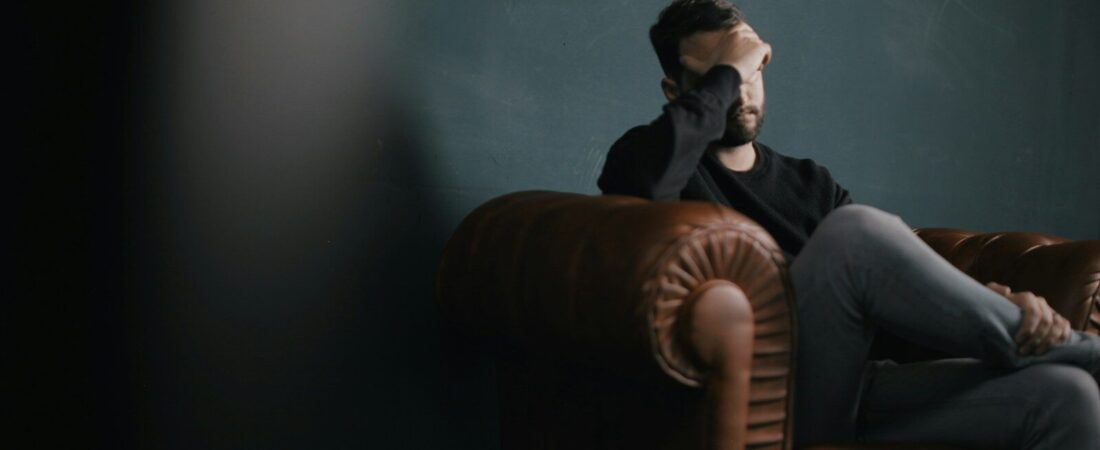
For decades, mental health was the topic celebrities avoided. Publicists steered interviews away from anything that might suggest vulnerability. Studios protected images. Magazines preferred glamour over honesty. And audiences, by and large, expected their stars to be untouchable. That has changed. In recent years, celebrities, musicians, actors, athletes, and social media creators have increasingly spoken publicly about anxiety, depression, burnout, therapy, and the pressures of living under constant scrutiny. The conversation has moved from whispered speculation to open disclosure.
This shift has been made more visible by social media. Instagram, TikTok, YouTube, and podcasts have given public figures direct channels to speak without traditional media filtering. Audiences no longer only see celebrities on red carpets and talk shows. They see them in casual settings, sharing personal stories, discussing therapy, and engaging in conversations about emotional wellbeing. The result is a cultural environment where mental health awareness has become part of mainstream celebrity conversation. Wellness culture, self-care trends, and mental health language now circulate through the same platforms that once focused only on fashion, beauty, and lifestyle.
But visibility is not the same as understanding. Celebrity openness can help reduce stigma by making mental health conversations more normal, but it can also oversimplify complex conditions, turn vulnerability into branding, and blur the line between personal story and medical advice. Celebrities are not mental health professionals. Their experiences are personal, not universal. Their stories can be meaningful, but they do not replace professional education or care. This article examines how celebrity mental health has become a cultural conversation, what it does well, where it goes wrong, and how readers can engage with it responsibly. For a broader look at how public figures navigate the pressures of visibility, see how one star’s public image evolved over time.
What Is Celebrity Mental Health?
Celebrity mental health refers to the psychological wellbeing of public figures and the unique pressures that can accompany fame, visibility, and constant public scrutiny. It is not a diagnosis or a condition. It is a category of public conversation about how fame, work demands, social media exposure, and public expectations can affect emotional health.
The pressures that come with celebrity are real and well documented. Long working hours, constant travel, performance expectations, public criticism, online harassment, lack of privacy, and career uncertainty can all create stress. Many celebrities have spoken publicly about the toll these pressures take. But it is important to be clear about causation. Fame does not automatically cause mental illness. Mental health conditions affect people across all occupations, income levels, and social positions. Celebrity status may introduce specific stressors, but it does not create mental illness where none would otherwise exist.
According to the World Health Organization, mental health is a state of mental wellbeing that enables people to cope with the stresses of life, realize their abilities, learn well and work well, and contribute to their community. It is more than the absence of mental disorders. This definition applies to everyone, including celebrities. The difference is that celebrity mental health conversations happen in public, often under intense scrutiny, and with audiences who may not distinguish between personal experience and medical knowledge. The WHO has also emphasized that stigma and discrimination surrounding mental health remain global problems, and that media has a role to play in reducing them. One in four people worldwide will experience a mental health condition at some point, according to WHO estimates, yet stigma continues to deter many from seeking help.
Why Mental Health Is Becoming More Visible in Celebrity Culture
Mental health is more visible in celebrity culture today for several interconnected reasons. Social media platforms have given public figures direct communication channels. Interviews and podcasts have created longer-form spaces for personal storytelling. Younger audiences have pushed for more honest conversations about emotional wellbeing. And broader cultural attitudes toward therapy and mental health have shifted toward greater acceptance.
It is important to distinguish between increased visibility and increased prevalence. The fact that more celebrities are discussing mental health publicly does not mean that celebrities experience more mental illness than previous generations. It means that the cultural environment has changed enough that public disclosure is more possible. Previous generations of celebrities may have experienced similar struggles, but the stigma of speaking about them was far greater. For a case study on how a public figure built a career while managing constant visibility, see the story of a young entrepreneur in the spotlight.
Research on celebrity mental health disclosure has grown in recent years. A 2022 editorial published in Epidemiology and Psychiatric Sciences examined the impact of celebrity disclosure on mental health-related stigma and found that celebrity disclosures can support stigma-reduction efforts by increasing public awareness. The research also noted that systematic evaluations of these effects remain limited, and that the nature of media portrayals and how audiences process them matter greatly. Another study published in 2024 in Computers in Human Behavior found that public figures sharing their mental health stories on social media can reduce stigma and promote help-seeking behavior, particularly when the stories are presented in a format that feels personal and accessible.
How Celebrities Help Break the Stigma Around Mental Health
When public figures speak openly about mental health, they can contribute to stigma reduction in several ways. They normalize conversations that were previously considered taboo. They encourage people to seek support by showing that asking for help is not a sign of weakness. They challenge shame by demonstrating that mental health conditions can affect anyone, regardless of success or status. They make therapy more visible, which can reduce the sense of isolation that many people experience. They show vulnerability, which can encourage empathy. And they start public conversations that reach audiences who might not otherwise engage with mental health topics.
Research supports the idea that celebrity disclosure can have positive effects. A study published in 2021 found that celebrity narratives disclosing mental illness resulted in lower social distance ratings and lower stigma scores among participants. The study suggested that celebrities can help challenge stereotypes associating mental illness with failure by providing visible examples of successful people who have experienced mental health challenges. The WHO has also identified responsible media reporting as an evidence-based intervention for suicide prevention and stigma reduction, noting that accurate and sensitive coverage can help reduce stigma, promote help-seeking, and communicate messages of hope and recovery.
But it is important not to overstate these effects. A celebrity sharing their experience is not automatically therapeutic for every audience member. Personal testimony is not the same as medical evidence. And a single disclosure does not undo decades of stigma. The value of celebrity openness lies in its potential to open conversations, not in its ability to replace professional education or care.
Celebrity Struggles Behind the Spotlight
The pressures of public visibility are real. Celebrity culture involves long working hours, constant travel, performance expectations, public criticism, online harassment, paparazzi attention, lack of privacy, career uncertainty, pressure to maintain an image, relationship scrutiny, beauty standards, and fear of public failure. These pressures do not automatically cause mental illness, but they can create significant stress and can exacerbate existing vulnerabilities.
Online harassment has become a particularly intense challenge. Social media platforms have given audiences direct access to public figures, and that access is not always respectful. Celebrities receive criticism, threats, and invasive commentary on a scale that most people never experience. The constant visibility of social media means there is no off switch. Public figures are expected to maintain a presence, engage with audiences, and absorb criticism, often while navigating personal challenges that remain invisible.
It is important not to romanticize suffering or suggest that fame inevitably leads to mental illness. Many celebrities manage their mental health effectively, seek support when needed, and build sustainable careers without experiencing serious psychological distress. The relationship between fame and mental health is complex, and individual experiences vary widely. What matters is recognizing that the pressures of public life are real and that they deserve serious attention, not sensationalism.
Social Media and the Mental Health Conversation
Social media has fundamentally changed how celebrities discuss mental health. Platforms like Instagram, TikTok, YouTube, and X allow public figures to communicate directly with audiences without traditional media intermediaries. This direct access creates opportunities for personal storytelling, mental health education, and community support. It also creates new challenges, including online criticism, comparison culture, and algorithmic amplification of both helpful and harmful content.
The positive potential of social media for mental health conversations is significant. Creators can share personal experiences in ways that feel authentic and accessible. Educational content about therapy, coping strategies, and emotional wellbeing can reach audiences who might not seek out formal resources. Community support can develop around shared experiences, reducing isolation and creating spaces where people feel seen. A 2025 survey by the American Psychiatric Association found that adults see both benefits and harms in social media, with 32 percent reporting that social media was harmful for their mental health and many others describing it as helpful. The APA has noted that a growing conversation about mental health on social media is encouraging, while also emphasizing the importance of setting boundaries and protecting wellbeing.
The negative potential is equally real. Social media can amplify comparison, create unrealistic expectations, and expose users to misinformation. Algorithms prioritize engagement, which can reward oversimplified or sensationalized mental health content. Self-diagnosis based on short videos is increasingly common, and wellness products marketed through social media often make claims that are not supported by evidence. Parasocial relationships with celebrities and creators can create a sense of intimacy that feels real but is one-sided. These dynamics do not make social media inherently harmful, but they require users to engage critically and with awareness.
Instagram, TikTok and the Rise of Wellness Culture
Wellness culture has become highly visible on social media, particularly on Instagram and TikTok. Self-care routines, therapy discussions, meditation content, fitness and wellbeing content, journaling, sleep routines, digital detox content, mindfulness trends, and “healing” language all circulate through these platforms. Wellness influencers have built large audiences by sharing advice, routines, and personal stories about mental and physical health.
Some of this content is genuinely useful. Creators who share evidence-based coping strategies, encourage professional help-seeking, and model healthy behaviors can have a positive impact. Peer support and community connection can be valuable for people who feel isolated. Educational content can reduce stigma and increase mental health literacy. For a broader look at how influencer-driven content shapes consumer behavior and lifestyle trends, see how influencer culture transformed modern branding.
But wellness culture also has a commercial dimension. Self-care has become a product category. Luxury wellness, morning routines, “that girl” content, productivity culture, and sponsored wellness posts blur the line between genuine wellbeing practices and marketing. The WHO defines self-care as the ability of individuals, families and communities to promote health, prevent disease, cope with illness and disability with or without the support of a health worker. Self-care is a foundation of mental health, but it is not a replacement for professional treatment when treatment is needed. Trendy wellness practices should not be presented as medically proven solutions for mental health disorders unless supported by reliable evidence.
When Self-Care Becomes a Social Media Trend
Self-care has become a social media genre. Morning routine videos, skincare rituals, journaling prompts, and wellness product recommendations are now standard content categories. This visibility has benefits. It has made conversations about rest, boundaries, and emotional wellbeing more mainstream. It has given people language to describe their experiences and permission to prioritize their mental health.
But when self-care becomes primarily an aesthetic, its value can become diluted. Highly curated wellness content can create the impression that mental health is about products, routines, and visual presentation rather than about the harder work of emotional regulation, therapy, and support. Luxury wellness and sponsored content can make wellbeing feel like a consumer lifestyle rather than a health practice. The difference between genuine wellbeing practices and curated social media presentations matters. A morning routine that looks good on camera is not the same as a coping strategy that works in real life.
This is not an argument against wellness culture as a whole. Many creators share genuinely helpful content, and many people have found community and inspiration through wellness communities online. The key is maintaining a critical perspective. Self-care can support mental health, but it should not be treated as a substitute for professional care, and it should not be reduced to a consumer trend.
The Difference Between Mental Health Awareness and Mental Health Aesthetics
Mental health awareness and mental health aesthetics are not the same thing, and the distinction matters. Mental health awareness involves education, reducing stigma, encouraging support, sharing credible resources, and promoting understanding. It is grounded in evidence, respects the complexity of mental health conditions, and prioritizes the wellbeing of people who experience them.
Mental health aesthetics involve turning mental health language into a trend, oversimplifying complex conditions, using diagnostic terms casually, treating suffering as an aesthetic, and using vulnerability primarily as branding. When mental health becomes an aesthetic, the focus shifts from understanding and support to performance and engagement. Diagnostic terms become slang. Serious conditions become personality traits. Vulnerability becomes content.
This distinction matters because mental health is not a trend. It is a human issue that affects people across all communities, regardless of fame, wealth, or social media following. When mental health language is used casually or commercially, it can undermine the seriousness of conditions that people actually live with. It can also make it harder for people to distinguish between credible information and content that is designed to perform rather than to help.
Celebrity Vulnerability and Parasocial Relationships
Parasocial relationships are one-sided emotional connections that audiences form with public figures, celebrities, or creators. Psychologists who study these relationships note that they are common and not inherently unhealthy. They can expand worldview, provide comfort, and have positive effects on wellbeing. But they also carry risks, particularly when social media creates a sense of constant access and intimacy that is not reciprocal.
When celebrities share personal stories about mental health, audiences may feel a deeper sense of connection. This can be meaningful and validating. But it can also lead to unrealistic expectations. Audiences may feel entitled to constant emotional disclosure, assume they understand a celebrity’s private life more fully than they do, or treat a celebrity’s personal experience as direct advice. Cleveland Clinic has noted that parasocial relationships can create an unrealistic sense of intimacy and perceived connection, and that they can worsen mental health issues if they become consuming or if boundaries are not maintained.
Healthy engagement with celebrity mental health content involves recognizing that public disclosure is not the same as personal relationship. A celebrity sharing their experience is offering a perspective, not a prescription. Audiences can appreciate and learn from these stories without treating them as professional guidance or expecting more emotional access than a public figure chooses to offer.
Does Celebrity Openness Actually Reduce Mental Health Stigma?
Celebrity openness can help reduce mental health stigma by making conversations about emotional wellbeing more visible and socially acceptable, but it does not replace professional mental health education or care. The evidence suggests that celebrity disclosure can support stigma-reduction efforts by increasing awareness, challenging stereotypes, and encouraging help-seeking behavior. But the effects are not guaranteed, and they depend on the nature of the disclosure, how it is framed, and how audiences process it.
Research on celebrity disclosure has found that it can reduce social distance and lower stigma scores, but the evidence base remains limited. A 2022 editorial in Epidemiology and Psychiatric Sciences noted that despite the growing phenomenon of celebrity mental illness disclosure, systematic evaluations of its effects on stigma are still limited. The authors emphasized that celebrity disclosures can support stigma-reduction efforts through increased awareness, but that more research is needed to understand how, when, and for whom these effects occur.
What the research does suggest is that visibility matters. When public figures speak openly about mental health, it can make conversations easier for others. Representation can help people feel less alone. Public disclosure can challenge stereotypes that associate mental illness with weakness or failure. But individual experiences vary significantly, and celebrity stories should not be treated as universal representations of mental illness.
The Risks of Turning Mental Health Into Entertainment
There are real ethical concerns surrounding celebrity mental health coverage. Paparazzi speculation, clickbait headlines, diagnosing public figures from afar, sensationalized narratives about breakdowns, privacy violations, turning trauma into entertainment, exploiting vulnerable moments, and misleading social media commentary all present risks. These practices can harm the people they claim to cover and can spread misinformation to audiences.
Responsible coverage matters. The WHO has developed media guidelines that emphasize accurate and sensitive reporting, privacy, and the importance of providing information about where to seek help. The WHO identifies responsible interaction with the media as one of the evidence-based interventions for suicide prevention and stigma reduction. This means avoiding sensational language, respecting privacy, and treating mental health as a serious health topic rather than a source of drama.
One of the most common problems in celebrity mental health coverage is armchair diagnosis. Public figures are often analyzed, labeled, and speculated about based on behavior, interviews, photographs, or social media posts. This is not only unethical but also unreliable. Mental health conditions cannot be diagnosed from a distance. Only qualified professionals can diagnose mental health conditions, and only in the context of a proper clinical assessment.
How Celebrity Media Can Discuss Mental Health Responsibly
Responsible celebrity mental health coverage follows several principles. These are relevant to journalists, content creators, and anyone who discusses mental health in public spaces.
- Use accurate terminology. Avoid casual use of diagnostic terms. Do not describe someone as “bipolar” or “OCD” based on behavior. Use language that reflects the person’s own disclosures or reliable reporting.
- Verify claims. Do not report rumors, speculation, or anonymous claims as facts. Only include mental health information that has been publicly disclosed by the person or reliably documented by credible sources.
- Respect privacy. Public figures are entitled to privacy about their health. Not every aspect of their mental health journey needs to be public, and not every public statement invites further speculation.
- Avoid armchair diagnosis. Never diagnose or speculate about a celebrity’s mental health condition based on behavior, appearance, or media coverage.
- Distinguish personal testimony from medical evidence. A celebrity sharing their experience is valuable, but it is not the same as clinical research or professional guidance. Do not present personal stories as universal truths.
- Avoid sensational headlines. Sensationalized coverage can reinforce stigma, exploit vulnerable moments, and spread misinformation. Headlines should be accurate and respectful.
- Link to credible resources. When discussing mental health, provide information about where people can seek support. The WHO recommends including help-seeking information in media coverage.
- Avoid stigmatizing language. Language matters. Avoid terms that reduce people to a diagnosis or imply that mental illness is a personal failure.
- Provide context. Mental health conditions are complex and varied. Avoid oversimplification and acknowledge that individual experiences differ.
- Do not exaggerate celebrity statements. Report what was said accurately and in context. Do not use celebrity quotes to support claims they did not make.
Celebrity Mental Health vs Everyday Mental Health
Celebrity mental health conversations and everyday mental health experiences differ in important ways. Understanding these differences helps ensure that celebrity stories are useful without being treated as universal.
| Celebrity Mental Health Conversations | Everyday Mental Health |
|---|---|
| Publicly visible | Often private |
| Influenced by media attention | Usually less public |
| May involve large audiences | Usually personal or community based |
| Can shape cultural conversations | Experienced across all communities |
| Often simplified by media | More complex in real life |
Mental health challenges can affect people regardless of fame, wealth, occupation, or social media following. A celebrity’s experience with anxiety, depression, or burnout does not mean that their experience is representative of everyone who lives with those conditions. Similarly, the resources available to celebrities, including access to private therapy, flexible schedules, and financial security, are not available to everyone. Recognizing these differences is part of engaging with celebrity mental health content responsibly.
Mental Health, Beauty Standards and Celebrity Culture
Beauty standards and appearance pressure are closely connected to mental health in celebrity culture. Celebrities, particularly women and people in the public eye, face intense scrutiny about their appearance. Filters, editing, comparison culture, and influencer aesthetics can create unrealistic expectations about how people should look and, by extension, how they should feel about themselves.
The American Psychiatric Association has noted the importance of social media literacy and the need for users to develop skills for healthy and safe social media use. This includes recognizing that social media content is often curated and edited and that comparison with curated images is not a reliable measure of self-worth. Celebrities themselves have spoken about the pressure to maintain an image and the toll that appearance scrutiny can take on mental health. These conversations are part of the broader mental health awareness movement in celebrity culture, but they also highlight how deeply appearance and wellbeing are connected. For a detailed look at how a major artist’s image and legacy evolved over decades, see the long-term cultural impact of a music icon.
The Role of Influencers in Mental Health Awareness
Influencers play an increasingly important role in mental health awareness. Mental health creators, lifestyle influencers, celebrity creators, and educational content creators share personal stories, coping strategies, and resources with their audiences. This content can increase awareness, reduce isolation, and make mental health conversations more accessible to people who might not seek out formal information.
But influencer content should not automatically be treated as professional medical advice. There is a difference between personal experience, educational content, professional guidance, and sponsored wellness content. A creator sharing their experience with therapy is offering a personal perspective. A creator with professional training may offer more informed guidance. A sponsored wellness post is marketing. Audiences benefit from understanding these distinctions and approaching mental health content with the same critical thinking they apply to other health information.
Can Social Media Make Mental Health Conversations Better?
Social media has both positive and negative potential for mental health conversations. The evidence is mixed, and the effects depend on how platforms are used, what content is consumed, and individual factors.
Potential benefits include greater awareness, peer support, community, reduced stigma, access to educational information, and visibility for conversations that were previously ignored. Social media has made it possible for people to find others who share their experiences, learn about mental health conditions, and access support networks that might not exist in their offline communities.
Potential drawbacks include misinformation, comparison, doomscrolling, oversimplification, algorithmic amplification of sensational content, self-diagnosis based on short videos, commercialization, and parasocial dependency. Research has consistently shown that excessive social media use is linked to higher rates of depression and anxiety, especially among teens and young adults, according to the American Psychological Association. But the relationship is complex, and social media is not uniformly harmful or uniformly beneficial.
The APA has emphasized that social media literacy education is important, particularly for young people. The WHO has noted that responsible media reporting can reduce stigma and promote help-seeking, but that irresponsible coverage can have negative effects. The key is not avoiding social media entirely but engaging with it critically and with awareness of both its potential and its limitations.
How to Consume Celebrity Mental Health Content Responsibly
Reading about celebrity mental health can be informative, validating, and even inspiring. But it requires a critical approach. Here are practical guidelines for engaging with this content responsibly.
- Treat personal stories as personal experiences. A celebrity sharing their mental health journey is offering a perspective, not a universal truth. Their experience may resonate with you, but it is not a substitute for professional guidance.
- Check health claims against authoritative sources. If a celebrity or influencer makes a claim about treatment, therapy, or mental health conditions, verify it with reliable sources such as the WHO, NIMH, APA, or other recognized health organizations.
- Do not self-diagnose from TikTok or Instagram content. Short-form video is not a diagnostic tool. If you are concerned about your mental health, consult a qualified professional.
- Avoid diagnosing celebrities. You cannot diagnose someone from a distance. Speculating about a celebrity’s mental health based on their behavior or public statements is neither accurate nor ethical.
- Be cautious with wellness products and sponsored claims. Wellness marketing often makes claims that are not supported by evidence. Be skeptical of products that promise to cure or treat mental health conditions.
- Protect your own boundaries online. If consuming mental health content is affecting your mood or wellbeing, take breaks. Set limits on social media use. Prioritize activities that support your mental health.
- Seek qualified professional support when needed. If you are struggling with your mental health, reach out to a qualified professional. Celebrity stories can be meaningful, but they are not a replacement for therapy, counseling, or medical care.
- Remember that social media is curated. What you see online is a selection, not the full picture. This applies to celebrities, influencers, and everyone else.
The Future of Mental Health in Celebrity Culture
Several trends are likely to shape the future of mental health in celebrity culture. More open conversations are probable as stigma continues to decrease and younger generations normalize discussions about therapy and emotional wellbeing. Greater demand for responsible media is emerging as audiences become more aware of how coverage can help or harm. Creator-led awareness is likely to grow as influencers and content creators take on roles that traditional media once occupied.
Mental health education may become more integrated into entertainment and lifestyle content, and increased scrutiny of wellness marketing is likely as audiences become more skeptical of unsubstantiated claims. Better distinction between awareness and misinformation is needed, particularly as AI-generated content and algorithmic amplification make it harder to identify credible sources. Digital wellbeing is likely to become a more prominent topic as conversations about screen time, social media boundaries, and online safety continue. Changing expectations around celebrity privacy may also evolve, with greater recognition that public figures are entitled to boundaries even as audiences expect more access.
These are trends and possibilities, not certainties. The future of mental health in celebrity culture will depend on decisions made by platforms, media organizations, creators, and audiences. What is clear is that mental health is not going away as a cultural conversation, and how that conversation develops will matter for everyone involved.
Mental Health and Modern Celebrity Culture
Modern celebrity culture increasingly involves visibility, vulnerability, personal branding, social media, community, wellness, and public storytelling. Mental health has become part of that landscape, both as a topic of genuine importance and as a content category. The challenge is to engage with mental health in celebrity culture in a way that respects the seriousness of the subject while recognizing the complexities of public disclosure, media coverage, and audience engagement.
Mental health should remain a human issue rather than simply a celebrity-content category. The conversations that celebrities and creators are having about mental health have real potential to reduce stigma, encourage help-seeking, and make emotional wellbeing a more visible part of public life. But that potential is only realized when these conversations are grounded in accuracy, respect, and a clear understanding that personal stories are not medical guidance.
For readers interested in the people, platforms, and cultural shifts shaping modern fame, BaddiesHub continues to cover celebrity culture, influencers, entertainment, fashion, beauty, and internet trends.
Mental Health and Celebrity Culture on BaddiesHub
BaddiesHub covers celebrity stories, influencer culture, social media trends, fashion and beauty, entertainment, lifestyle, and wellness conversations. The site approaches these topics with an awareness of the cultural dynamics that shape how public figures are represented and how audiences engage with their stories. BaddiesHub does not provide mental health advice, treatment, counseling, or professional services. It does aim to cover celebrity culture responsibly, with respect for privacy, accuracy, and the seriousness of mental health as a human issue.
BaddiesHub’s coverage spans the spectrum of modern celebrity culture, from Kylie Jenner’s biography and Kim Kardashian and influencer culture to Zendaya’s style evolution and Beyoncé’s formation and lasting influence. These profiles examine how public figures build careers, navigate visibility, and shape cultural conversations. They also reflect the broader themes discussed in this article: the relationship between public image and private experience, the pressures of visibility, and the ways that celebrities and creators engage with their audiences.