
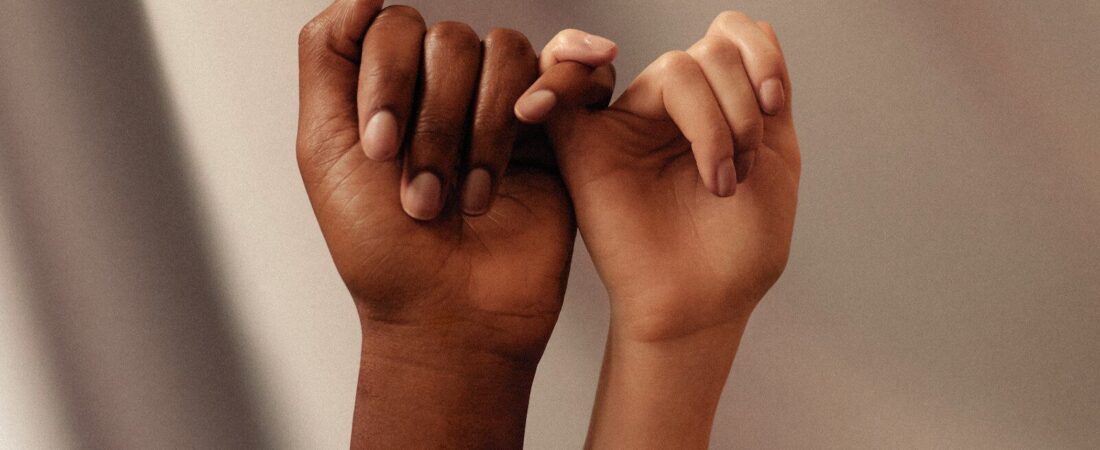
Introduction: Women Rewriting the Rules of Music
Hip-hop and pop music have long been spaces where women express identity, confidence, independence, ambition, and cultural influence. From the earliest female MCs who demanded respect in a male-dominated genre to contemporary pop stars who command global audiences, women have consistently reshaped what is possible in music. Their contributions are not limited to performance. They extend to songwriting, production, entrepreneurship, fashion, visual identity, and the creation of opportunities for other women.
Female empowerment in music can take many forms. It can appear in lyrics that assert independence. It can show up in financial ownership and creative control. It can be expressed through fashion and visual presentation. It can be visible in the decision to start a business, mentor younger artists, or demand fair treatment in an industry that has historically undervalued women’s contributions. There is no single definition of empowerment, and no single artist represents all women. What connects these diverse expressions is the ongoing effort to expand women’s presence, influence, and autonomy within music and the culture that surrounds it.
This article traces the history of women in hip-hop, explores the rise of female rappers, examines the relationship between pop music and girl power, and considers how pop culture feminism has shaped and been shaped by women in entertainment. It also looks at the challenges that remain, the role of social media, and what the future of female empowerment in music might look like.
What Does Female Empowerment Mean in Music?
Female empowerment in music refers to the ways women artists assert confidence, independence, creative freedom, economic power, and control over their artistic identity. It is not a single idea or a fixed set of behaviors. Empowerment can look different from artist to artist depending on genre, background, audience, and personal priorities.
For some artists, empowerment means writing lyrics that challenge traditional gender expectations. For others, it means owning their masters, launching a business, or producing their own music. For still others, it means using fashion and visual presentation as intentional self-expression rather than simply being judged by appearance. Representation matters too. Seeing women in positions of creative and commercial power can expand what audiences imagine is possible for themselves.
Empowerment in music is also about visibility. When women occupy space in genres and roles where they have historically been underrepresented, they challenge assumptions about who belongs in those spaces. This does not mean every female artist is a feminist spokesperson or that every song is a political statement. It means that the presence, work, and choices of women artists contribute to a broader cultural conversation about gender, power, and possibility.
Women in Hip-Hop: A History of Breaking Barriers
Women have been part of hip-hop since its earliest days, though their contributions have often been underrecognized. In the 1980s, artists like Roxanne Shanté and groups like Salt-N-Pepa demonstrated that women could hold their own in rap battles, command stages, and sell records. Salt-N-Pepa became one of the most commercially successful hip-hop acts of their era, with hits that fused confidence, sensuality, and self-awareness. Queen Latifah brought strong social messages and women’s empowerment themes to her debut album, while MC Lyte established herself as a skilled lyricist with a distinctive voice.
The 1990s expanded the range of women’s voices in hip-hop. Missy Elliott emerged as a triple threat who writes, produces, and performs, and her futuristic visuals and production shifted the soundscape of hip-hop. Lauryn Hill brought a blend of rap, soul, and R&B that earned critical acclaim and commercial success. Lil’ Kim and Foxy Brown introduced a more explicit form of sexual expression that challenged ideas about what women in rap could say and how they could present themselves. Eve brought a distinctive style and storytelling approach that connected hip-hop to broader pop culture. The era also demonstrated how women could build long-term careers beyond a single genre.
The 2000s and 2010s saw the rise of Nicki Minaj, who became one of the most commercially successful female rappers of all time and expanded the range of personas and performance styles available to women in hip-hop. Cardi B, Megan Thee Stallion, and Doja Cat followed, bringing new levels of chart success, social media presence, and genre-blending creativity. Each generation built on the work of those who came before, expanding the space for women in hip-hop in different ways.
The Rise of Female Rappers
Female rappers have become increasingly visible in mainstream music, with several artists achieving chart-topping success and significant cultural influence. This visibility is the result of lyrical confidence, strong storytelling, personal branding, fashion, entrepreneurship, social media engagement, and fan communities that have grown around these artists.
Modern female rappers have expanded the range of identities and personalities represented in mainstream hip-hop. Artists like Nicki Minaj, Cardi B, Megan Thee Stallion, and Doja Cat have achieved commercial success across multiple platforms while maintaining distinct artistic identities. Their music often addresses themes of independence, ambition, sexuality, money, and self-confidence. Their visual presentation, fashion choices, and social media presence are integral to their brands. Their success has demonstrated that female rappers can compete at the highest levels of the industry while remaining true to their artistic visions.
The rise of female rappers has also coincided with a shift in how audiences discover and engage with music. Social media and streaming platforms have made it possible for artists to build audiences directly, without relying solely on traditional industry gatekeepers. This has created new opportunities for women to enter the industry and reach listeners on their own terms.
How Pop Music Turned Girl Power Into a Global Cultural Idea
Pop music has played a central role in popularizing the concept of girl power, a term that emerged as a mainstream expression of female confidence and solidarity. The Spice Girls are often credited with bringing girl power into global pop culture in the mid-1990s, using their platform to promote messages of self-empowerment, individuality, and friendship. Their success demonstrated that girl power could be commercially viable and culturally influential at the same time.
Girl power has been used in different ways across different eras. In the 1990s, it was associated with a fun, accessible form of feminism that emphasized confidence and solidarity. In the 2000s and 2010s, pop artists like Beyoncé, Lady Gaga, Katy Perry, and Taylor Swift incorporated themes of independence and self-worth into their music and performances. The long-term cultural impact of these approaches is visible in artists who have built multi-decade careers shaped by artistic evolution.
Pop music’s role in spreading girl power is significant because it reaches large audiences and often shapes cultural conversations. When a pop star releases an anthem about confidence or independence, it can resonate with listeners around the world. This does not mean that pop music is always politically progressive or that every girl power anthem represents a coherent feminist statement. It means that pop music has been a major vehicle for bringing conversations about women’s empowerment into mainstream culture.
Pop Culture Feminism and the Music Industry
Pop culture feminism refers to the presence of feminist ideas in mainstream entertainment, including music, celebrity culture, fashion, advertising, and social media. It is distinct from academic or political feminism in that it operates primarily through popular culture and commercial platforms. Pop culture feminism can raise awareness, shift cultural norms, and create space for conversations about gender and power. It can also oversimplify complex issues, reduce feminism to branding, and prioritize commercial appeal over substantive change.
Critics of commercial feminism have raised questions about whether empowerment can be authentically expressed through products, sponsorships, and marketing campaigns. Can a song promote confidence while being packaged and sold as a consumer product? Can a celebrity advocate for gender equality while also benefiting from industries that perpetuate inequality? These are difficult questions without simple answers. What matters is recognizing that pop culture feminism operates within commercial systems and that its impact depends on how audiences interpret and respond to it.
At its best, pop culture feminism can introduce feminist ideas to people who might not encounter them otherwise. It can make conversations about gender, representation, and equality more accessible. At its worst, it can reduce feminism to a slogan or a product, stripping it of its political and social meaning. The reality is usually somewhere in between, shaped by the specific artists, messages, and contexts involved.
How Female Artists Challenge Gender Stereotypes
Female artists have challenged gender stereotypes in many different ways. Some have challenged expectations around appearance by embracing styles and aesthetics that resist conventional beauty standards. Others have challenged ideas about sexuality by expressing desire, pleasure, and agency in their lyrics and performances. Some have challenged expectations about ambition and leadership by building businesses and taking creative control. Others have challenged ideas about relationships and motherhood by presenting narratives that do not center on traditional roles.
What these challenges have in common is the assertion that women can define their own identities on their own terms. This does not mean that there is one correct way to be an empowered woman or that women must behave in a particular way to be considered empowered. Empowerment can look like confidence, vulnerability, ambition, compassion, assertiveness, or any combination of qualities. The point is that women should have the freedom to choose how they present themselves and what they prioritize in their careers and lives.
It is also important to recognize that female artists are not a monolith. They come from different backgrounds, work in different genres, and have different audiences and priorities. What resonates as empowering for one artist or audience may not resonate for another. The diversity of approaches to empowerment is a strength, not a weakness.
Lyrics, Storytelling and Women’s Voices
Songwriting and rap give women greater control over their narratives. Through lyrics, women artists can share stories about independence, relationships, heartbreak, ambition, money, identity, sexuality, discrimination, confidence, resilience, and personal growth. These stories can be deeply personal or broadly relatable. They can challenge stereotypes, celebrate successes, or process pain.
Not every song by a female artist is intended as feminist commentary, and not every lyric is autobiographical. But the broader ability of music to provide women with a public voice is significant. Music can communicate experiences and perspectives that might otherwise go unheard. It can connect listeners who share similar experiences. It can normalize conversations about topics that are often considered private or taboo.
The rise of female songwriters and rappers who write their own material has been an important development in the music industry. It represents a shift toward greater creative control and authenticity for women artists. It also provides audiences with a wider range of perspectives and stories to engage with.
Fashion, Beauty and Visual Identity as Forms of Expression
Female musicians use fashion, makeup, hairstyles, stage design, music videos, album artwork, and visual branding to communicate identity. These elements are not superficial. They are part of how artists express who they are, what they stand for, and what they want audiences to feel. For many artists, visual presentation is as important as the music itself.
There is a difference between being judged by appearance and using appearance as intentional self-expression. When a female artist is criticized primarily for how she looks rather than what she creates, that is a form of gender bias. When a female artist uses fashion and visual presentation as deliberate creative choices, that is a form of expression and agency. The distinction matters because it shifts the focus from how women are perceived to what they are communicating. BaddiesHub has explored this dynamic in its coverage of how public figures use style as identity.
In music, visual identity is often inseparable from artistic identity, and women artists have been at the forefront of using fashion and beauty as tools for storytelling and self-definition.
Social Media Changed the Way Female Artists Build Power
Social media platforms including Instagram, TikTok, YouTube, and others have changed the relationship between female artists and their audiences. Artists can now communicate directly with fans, share personal stories, promote their work, and build communities without relying entirely on traditional media gatekeepers. This has created new opportunities for women to control their public image and reach audiences on their own terms.
Social media has also introduced new challenges. The pressure to remain constantly visible can be intense. Online harassment and criticism are common experiences for many women in the public eye. Algorithms can amplify certain types of content while suppressing others. The need to maintain a consistent presence across multiple platforms can be exhausting. These dynamics do not negate the opportunities that social media provides, but they are part of the reality that female artists navigate. The broader influencer landscape, which BaddiesHub has covered through the lens of how public figures build brands, reflects similar opportunities and pressures.
The relationship between social media and female empowerment is complex. On one hand, platforms give women more control over their narratives and direct access to audiences. On the other hand, they create new forms of scrutiny, comparison, and pressure. Understanding both sides of this dynamic is essential for anyone interested in how women build power in contemporary music culture.
From Musician to Entrepreneur: Expanding Female Influence
Successful women in music often extend their influence beyond recording. Many have launched beauty brands, fashion lines, production companies, media ventures, and philanthropic initiatives. These ventures represent a form of empowerment that goes beyond artistic expression and into economic ownership and creative control.
Examples of this expansion are visible across the industry. Artists have launched cosmetics lines, clothing brands, and wellness products. Some have moved into production and creative direction, shaping projects for other artists and expanding their influence behind the scenes. Others have invested in media companies, tech startups, and community initiatives. These activities demonstrate that success in music can be a platform for broader entrepreneurial and creative endeavors.
Business ownership and creative control can contribute to a broader understanding of empowerment because they give women artists more autonomy over their careers and financial futures. They also create opportunities for other women by establishing businesses, mentoring younger artists, and demonstrating what is possible.
Female Empowerment and Representation
Representation matters in music because audiences benefit from seeing diverse forms of beauty, identity, confidence, success, ambition, creativity, and cultural expression. When women from different backgrounds, genres, and career paths achieve visibility, they expand what audiences imagine is possible for themselves. Representation is not only about the number of women who become famous. It is about the range of voices, perspectives, and experiences that are heard.
Diversity in representation also means recognizing that women in music have different priorities, audiences, and approaches to their work. Some focus on commercial success, others on artistic experimentation. Some center their identities as women, others center other aspects of who they are. Some work within mainstream systems, others build independent careers outside of them. All of these approaches contribute to a richer and more complex musical landscape.
Are Female Artists Held to Different Standards?
Female artists often face different standards than their male counterparts. Appearance standards, age expectations, criticism of sexuality, expectations around relationships, and media scrutiny can all create additional pressures for women in music. These pressures are not universal, and individual experiences vary, but they are documented patterns that many women in the industry have spoken about.
Social media has amplified some of these pressures. Women in the public eye are often subject to commentary about their appearance, relationships, and personal lives in ways that go beyond their professional work. The constant visibility of social media means that scrutiny is continuous rather than episodic. This can create a challenging environment for women who are trying to build careers and express themselves creatively.
At the same time, many women artists have pushed back against these pressures and demanded fairer treatment. The conversation around gender equity in music has become more visible, and audiences are increasingly aware of the double standards that women face. Change is slow, but the conversation is ongoing.
Competition vs Collaboration Among Female Artists
Media coverage has sometimes framed successful women as rivals, emphasizing conflict and competition rather than collaboration and mutual respect. This framing can be limiting because it reduces complex artists to simplified narratives and suggests that only one woman can succeed at a time. In reality, women in music have a long history of collaboration, mentorship, and mutual support.
Collaborations between female artists, joint performances, mentorship relationships, and cross-genre partnerships have contributed to the growth of women’s presence in music. These forms of collaboration do not eliminate competition or conflict, which exist in every creative field. But they demonstrate that women can support each other’s success while pursuing their own artistic goals. The most accurate perspective is one that acknowledges both competition and collaboration as real dynamics within the industry.
How Female Empowerment Influenced Modern Pop Culture
| Era / Development | Women’s Influence | Cultural Impact |
|---|---|---|
| Early hip-hop (1980s) | Early female MCs and groups like Salt-N-Pepa, Queen Latifah, MC Lyte | Expanded women’s presence in rap and established commercial viability |
| 1990s | Diverse female rap and R&B voices including Missy Elliott, Lauryn Hill, Lil’ Kim, Foxy Brown | Greater mainstream visibility and expansion of lyrical themes |
| 2000s | Major crossover artists and pop-rap hybrids | Expansion into pop culture, fashion, and brand partnerships |
| 2010s | Social media and streaming growth; Nicki Minaj’s commercial dominance | Direct audience relationships and new forms of fan engagement |
| 2020s | Global digital creator and music culture; Cardi B, Megan Thee Stallion, Doja Cat, Doechii | New forms of visibility, entrepreneurship, and cross-platform success |
Female empowerment in music has influenced modern pop culture far beyond the songs themselves. It has shaped fashion trends, beauty standards, language, social media conversations, and youth culture. Female musicians have become cultural figures whose influence extends into advertising, entertainment, and online communities. The language of empowerment, confidence, and self-expression that circulates through pop culture owes much to the artists who brought these themes into the mainstream.
The Commercial Side of Empowerment
Empowerment can also be commercially packaged. Branding, sponsorships, endorsements, beauty campaigns, fashion partnerships, merchandise, streaming, and social media marketing all operate within commercial systems. This raises questions about whether commercial success weakens an empowerment message or provides artists with greater independence and resources.
There is no single answer. For some artists, commercial success provides the financial freedom to take creative risks and support causes they care about. For others, commercial pressures can constrain artistic choices and push them toward safer, more marketable content. The relationship between commerce and empowerment is complex and depends on the specific artist, their goals, and the context in which they operate.
What matters is that audiences and critics recognize this complexity rather than assuming that commercial success automatically validates or invalidates an empowerment message. Empowerment is not a product to be bought or sold. It is a set of practices, values, and choices that artists navigate within the systems available to them.
Challenges Female Artists Still Face
Despite significant progress, women in music still face documented challenges. Industry gatekeeping, unequal opportunities, gender stereotypes, online harassment, appearance pressure, media scrutiny, and the challenge of balancing commercial expectations with creative freedom remain persistent issues. Recent research from the USC Annenberg Inclusion Initiative found that women’s participation in music production remains extremely low, with only a small percentage of producers and songwriters being women. These statistics highlight that while women have achieved tremendous visibility and success as performers, structural inequalities persist behind the scenes.
Representation in leadership and production roles is a particular area of concern. When women are underrepresented in production, songwriting, and executive positions, their influence on the creative and business decisions that shape the industry is limited. Addressing these disparities requires systemic change, not just individual success stories.
What the Future of Female Empowerment in Music Could Look Like
Several trends suggest possible directions for female empowerment in music. The growth of independent artists, social media communities, the creator economy, direct-to-fan relationships, and independent music distribution may give women more control over their careers and reduce their dependence on traditional gatekeepers. Increased attention to women in music production and engineering could lead to more balanced representation behind the scenes. Entrepreneurship, genre blending, global audiences, and digital fandom are likely to continue shaping how women build and sustain careers in music.
These are possibilities based on observable trends, not certainties. The future of female empowerment in music will depend on decisions made by artists, audiences, platforms, and industry institutions. What is clear is that the conversation is not going away and that women will continue to shape the sound and culture of music in ways that matter.
Female Empowerment in Music and BaddiesHub
BaddiesHub covers the intersection of women, entertainment, celebrity culture, fashion, beauty, confidence, digital culture, music, and social trends. The site follows how public figures build careers, express identity, and influence culture. From artist profiles to style analysis, BaddiesHub documents the people and trends that define modern entertainment. These themes run through coverage of figures like Beyoncé, whose formation and lasting influence have shaped multiple generations of music and culture.
Frequently Asked Questions About Female Empowerment in Music
What is female empowerment in music?
Female empowerment in music refers to the ways women artists assert confidence, independence, creative freedom, economic power, and control over their artistic identity. It can appear through lyrics, business ownership, fashion, visual expression, and the creation of opportunities for other women.
How have women influenced hip-hop?
Women have been part of hip-hop since its earliest days, contributing as MCs, producers, songwriters, and entrepreneurs. From Salt-N-Pepa and Queen Latifah to Missy Elliott and Nicki Minaj, women have expanded the genre’s lyrical themes, commercial reach, and cultural impact.
Who are some influential female rappers?
Influential female rappers include Queen Latifah, MC Lyte, Salt-N-Pepa, Missy Elliott, Lil’ Kim, Foxy Brown, Eve, Nicki Minaj, Cardi B, Megan Thee Stallion, and Doja Cat. Each has contributed to the genre in different ways and across different eras.
What does girl power mean in pop culture?
Girl power is a term popularized by the Spice Girls in the 1990s to describe female confidence, solidarity, and self-empowerment. It has been used in different ways across eras and remains a recognizable cultural reference for women’s independence and strength.
How has social media helped female musicians?
Social media has given female musicians direct access to audiences, control over their public image, and new opportunities for promotion and community building. It has also introduced challenges including constant visibility pressure, online harassment, and algorithmic dependence.
What is pop culture feminism?
Pop culture feminism refers to feminist ideas appearing in mainstream entertainment, including music, celebrity culture, fashion, and social media. It can raise awareness and shift cultural norms but has also been criticized for oversimplifying complex issues and prioritizing commercial appeal.
How do female artists challenge gender stereotypes?
Female artists challenge stereotypes by asserting independence, expressing sexuality on their own terms, building businesses, taking creative control, and presenting diverse forms of beauty and identity. They challenge expectations around appearance, ambition, relationships, and leadership.
Why is representation important in music?
Representation matters because audiences benefit from seeing diverse forms of beauty, identity, confidence, and success. When women from different backgrounds and genres achieve visibility, they expand what audiences imagine is possible and enrich the cultural landscape.
How do female musicians influence fashion and beauty?
Female musicians use fashion, makeup, hairstyles, and visual branding as forms of self-expression and storytelling. Their style choices influence trends, shape beauty standards, and contribute to broader cultural conversations about identity and presentation.
What challenges do women in music still face?
Women in music still face industry gatekeeping, unequal opportunities, gender stereotypes, online harassment, appearance pressure, and underrepresentation in production and leadership roles. Recent research shows that women remain significantly underrepresented in songwriting and production credits.
Conclusion
Female empowerment in hip-hop and pop music is not a single story or a finished project. It is an ongoing process shaped by generations of women who have demanded space, respect, and creative freedom in industries that were not built for them. From the early female MCs who proved women could rap to contemporary artists who command global audiences and build business empires, women have consistently expanded what is possible in music and culture.
The challenges that remain are real. Structural inequalities persist, and women still face different standards and pressures than their male counterparts. But the visibility, success, and influence of women in music continue to grow. Their contributions to fashion, beauty, language, and social media demonstrate that female empowerment is not confined to music. It shapes culture more broadly.
For readers interested in the people, platforms, and cultural shifts shaping modern entertainment, BaddiesHub continues to cover celebrity culture, influencers, fashion, beauty, and internet trends. Explore more music, entertainment, and artist stories at BaddiesHub.