
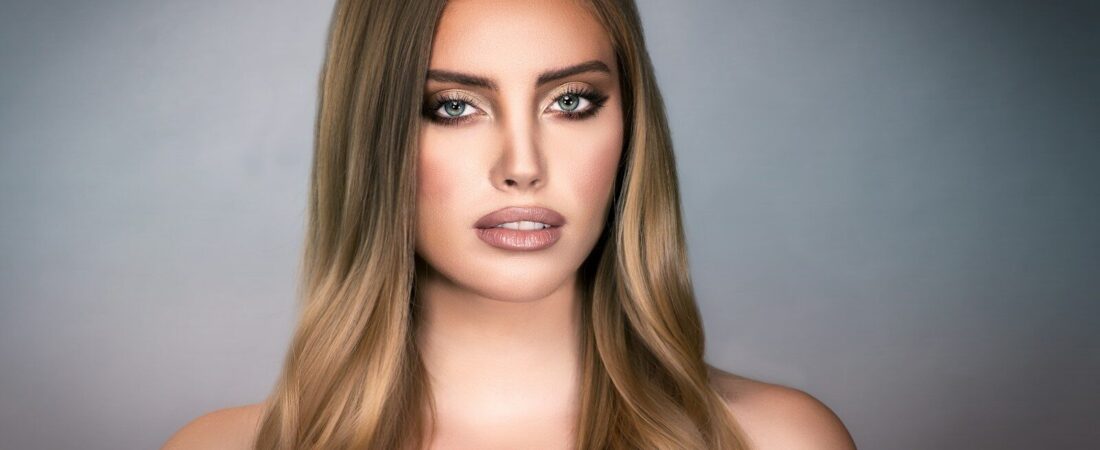
Celebrity beauty standards have shaped public perceptions of attractiveness for over a century, influencing everything from makeup trends and fashion choices to deeply personal feelings about body image and self-worth. From the meticulously constructed glamour of Hollywood’s studio era to the filtered, algorithm-driven aesthetics of social media, the ideals projected by famous figures have evolved alongside the technologies and cultural forces that distribute them.
Understanding this evolution requires looking beyond individual celebrities to the broader systems of media, advertising, and commerce that amplify certain appearances while marginalizing others. Beauty ideals are not universal or fixed. They shift across generations and cultures, shaped by economic interests, technological capabilities, and changing social values. This article traces that history, examines how celebrity influence operates today, and considers what a healthier relationship with appearance culture might look like.
What Are Celebrity Beauty Standards?
Several factors make celebrity beauty standards particularly influential. Fame itself can enhance perceived attractiveness, and celebrities reach massive audiences through film, television, music, magazines, and digital platforms. The line between personal preference and socially promoted ideals can blur when the same types of appearances are repeated across screens and publications.
Beauty standards differ significantly across cultures and generations. What one era or region considers ideal may be rejected or ignored in another. Recognizing this variability is essential to understanding why appearance culture is not a fixed truth but a constantly shifting set of expectations.
The Evolution of Celebrity Beauty Standards
The Golden Age of Hollywood
The studio era established many of the beauty institutions that still shape celebrity culture today. By the early 1930s, fashion, cosmetics, modeling, beauty contests, and Hollywood had become entrenched parts of American culture, and a growing middle class looked to these cultural tools for guidance.
Studio-era glamour relied on carefully managed public images. Actors were styled, lit, and photographed to project specific ideals. Makeup techniques, hairstyles, and costume design were all deployed to create screen personas that audiences could admire and emulate. When movies became the dominant popular culture in the early twentieth century, beauty ideals began to change dramatically, and entire industries expanded to capitalize on Hollywood’s projected standards.
The 1980s and 1990s
This period saw the rise of supermodels, pop stars, and a more diverse set of celebrity figures entering the public eye. Fitness culture grew in prominence, and magazines, music videos, and film continued to shape expectations around appearance. The ideal shifted toward athleticism and glamour, though the pressure to conform to specific body types remained.
The 2000s and Early Social Media Era
Tabloid culture, reality television, and paparazzi photography intensified scrutiny of celebrity bodies. The rise of online celebrity gossip sites meant that images circulated faster and commentary became more immediate. This era introduced new pressures, including the expectation that celebrities should appear camera-ready at all times, even in candid moments.
The Social Media Era
Platforms like Instagram, TikTok, and YouTube transformed how beauty ideals spread. Algorithms promote content that generates engagement, and appearance-focused content often performs well. Influencers, who may not be traditional celebrities but command large audiences, have become significant sources of beauty inspiration and advice.
Digital filters and editing tools allow users to modify their appearance in real time, creating standards that are increasingly difficult to distinguish from reality. Research on Instagram AR filters has identified a category of “Surgery” filters that distorted facial features with extreme nose bridges, sharpened jaws, and exaggerated lips, normalizing highly edited appearances as aspirational. These digital beauty templates circulate rapidly and can shape what users perceive as normal or desirable.
How Celebrities Influence Modern Beauty Culture
Celebrity influence extends across multiple areas of appearance culture. Makeup and skincare trends often follow celebrity routines and endorsements. Hairstyles and hair color choices spread quickly when adopted by prominent figures. Fashion and personal styling are shaped by red carpet moments and street style. Fitness and wellness culture reflect celebrity regimens and body transformations. Cosmetic and aesthetic trends gain visibility when discussed or displayed by public figures. Consumer behavior responds to celebrity endorsements and product launches.
Documenting the precise degree of influence is difficult. Individual consumers vary in their susceptibility to media messages, and many factors beyond celebrity culture shape personal preferences. What can be said is that celebrity images are widely distributed, frequently referenced, and often treated as aspirational.
Social Media, Filters, and Digital Appearance
Social media has fundamentally altered the relationship between celebrity imagery and audience perception. Filters and editing tools are widely available, and many popular accounts present heavily curated versions of appearance. Retouched advertising and celebrity photography are common, though not universal.
Repeated exposure to idealized images can affect some viewers, though experiences vary. Research on social media and body image has found significant associations between elevated social media engagement and higher body image concerns among adolescents, with effects stronger for appearance-focused platforms like Instagram. A 2025 meta-analysis of 45 studies involving over 33,000 adolescents found a significant association between social media use and body image and eating disorder symptoms in both cross-sectional and longitudinal studies.
At the same time, social media can provide spaces for authentic representation and diverse beauty perspectives. The same platforms that spread narrow ideals can also amplify body positivity and inclusivity, depending on who users follow and what content they engage with.
Celebrity Beauty Standards and Body Image
The relationship between appearance culture and body image is complex. Social comparison theory suggests that people evaluate themselves by comparing their appearance to others, and upward comparisons to idealized figures can contribute to dissatisfaction.
Research has documented associations between social media use and body image concerns. One study found that Facebook usage correlated with body dissatisfaction and drive for thinness, though the correlational design prevented conclusions about causation. Experimental research has shown that young women who interacted with the social media of an attractive peer experienced increased negative body image, while those who interacted with a family member did not.
A Dove Self-Esteem Project report found that 9 in 10 girls follow at least one social media account that makes them feel less beautiful, and more than half express that they cannot meet the beauty standards projected online. These findings do not mean every viewer is equally affected. Individual vulnerability factors, including pre-existing appearance concerns and media literacy, shape outcomes.
The importance of media literacy and supportive environments cannot be overstated. Understanding that images are curated and edited can reduce their impact, and conversations with trusted adults can help young people navigate appearance pressures.
Cosmetic Procedures and Changing Beauty Ideals
Cosmetic treatments have become more visible in contemporary celebrity culture. A Pew Research Center survey found that nearly one in four U.S. adults (23%) have received or would consider non-surgical cosmetic treatments such as Botox, fillers, or laser procedures. Separate Pew data indicated that about 40% of adults have taken steps to look younger, including hair coloring, supplements, or cosmetic treatments.
These statistics reflect general population attitudes, not celebrity behavior specifically. It is important to distinguish between confirmed disclosures and public speculation. Appearance alone cannot establish whether someone has undergone a procedure, and it is not appropriate to speculate about named individuals unless they have publicly confirmed it or reliable reporting establishes the claim.
Marketing and celebrity endorsements can increase the visibility of cosmetic procedures. At the same time, not all celebrities pursue such treatments, and not all who do discuss them publicly.
Diversity and Representation in Celebrity Beauty
Public definitions of beauty have broadened in some respects, though representation remains uneven. A large-scale study of fashion models published in PNAS found that while body measurement means remained relatively stable from 2000 to 2024, dispersion increased significantly, meaning a broader range of body sizes was represented even as central tendencies stayed the same. Hair and eye color distributions shifted away from lighter phenotypes, with blonde hair and blue eyes declining in prevalence and darker shades gaining share. National origins diversified, with growing contributions from Sub-Saharan Africa, East Asia, and South Asia.
These findings suggest progress in some areas of representation. However, the same study found that model body composition remained far from general population benchmarks, indicating that fashion imagery still presents physiques that most people do not share.
Representation across skin tones, hair textures, body types, ages, disabilities, and gender expressions continues to evolve. No single celebrity represents an entire community, and oversimplifying diverse experiences risks reducing complex identities to narrow categories.
The Commercial Side of Celebrity Beauty
Beauty ideals are deeply connected to commercial interests. Celebrity beauty brands, makeup and skincare partnerships, fashion endorsements, sponsored social media content, and product launches all generate revenue while shaping trends.
Advertising campaigns often present products as pathways to idealized appearances. Distinguishing advertising claims from independent evidence is essential. A product endorsed by a celebrity may or may not deliver the results implied by marketing, and consumer expectations are often shaped by imagery rather than verified outcomes.
This is not to suggest that commercial beauty products are inherently deceptive or that celebrity partnerships lack value. Rather, it is a reminder that the beauty industry operates within a profit motive that encourages the promotion of aspirational imagery.
The Pressure Celebrities Face Over Their Appearance
Public figures face intense scrutiny of their appearance through red-carpet commentary, tabloid headlines, online criticism, and comparisons with past images. This pressure is often contradictory, with expectations about age, weight, and attractiveness that can be impossible to satisfy simultaneously.
Ariana Grande’s representatives announced in 2026 that she would step back from public appearances after her tour, citing ongoing public scrutiny on her appearance, health, and personal life. Grande had previously described commenting on someone else’s looks or health as “dangerous” and stated that her weight and health are her personal business. The situation illustrates the tension between public fascination with celebrity bodies and the individuals’ right to privacy.
This example should not be taken as evidence of any specific health condition. A photograph or video is not a diagnosis, and no one outside a person’s medical team can assess their health based on appearance.
How to Develop a Healthier Relationship With Beauty Culture
Several practical approaches can help individuals navigate appearance culture more thoughtfully.
- Recognize editing and curation. Understanding that many images are filtered, edited, or carefully staged can reduce their impact. Not every photograph represents an unedited reality.
- Follow a broader range of people and body types. Diversifying social media feeds can expose users to a wider range of appearances and reduce the dominance of any single ideal.
- Question unrealistic advertising messages. Recognizing that ads are designed to sell products, not to provide accurate representations of typical appearance, can help separate commercial interests from personal worth.
- Separate personal worth from appearance. Appearance is one aspect of identity, not a measure of value. Cultivating interests, relationships, and skills outside appearance can build resilience against appearance-related pressure.
- Limit exposure to content that consistently causes distress. If certain accounts or types of content reliably make you feel worse, reducing exposure is a reasonable step. Research from Dove found that 72% of girls felt better after unfollowing toxic beauty advice on social media.
- Develop personal style based on comfort and preference. Style can be a form of self-expression rather than a performance for external approval.
- Seek qualified support if appearance concerns significantly affect everyday life. Persistent distress about appearance may warrant professional support. This is not a sign of weakness but a reasonable response to genuine distress.
What Is the Future of Celebrity Beauty Standards?
Emerging conversations around authenticity, representation, and transparency may shape the future of appearance culture. Some brands and creators are moving toward more inclusive imagery and less edited representations. Regulatory attention to digital editing and advertising transparency has increased in some regions.
At the same time, algorithmic systems that reward engagement continue to promote appearance-focused content, and the commercial incentives behind beauty ideals remain powerful. Future developments will likely involve tension between these forces.
Beauty standards have never been static, and they will continue to evolve. What may change is the level of awareness audiences bring to the images they consume and the expectations they internalize.
Conclusion
Celebrity beauty standards have shifted dramatically across the past century, from studio-managed glamour to algorithmic, filter-driven aesthetics. The mechanisms of influence have changed, but the underlying dynamic remains: widely distributed images of famous people shape what audiences perceive as desirable.
Beauty ideals are not universal or fixed. They reflect cultural context, commercial interests, and technological capabilities at any given moment. Recognizing this can help individuals approach appearance culture with greater awareness. Representation matters, media literacy matters, and the choice to define personal worth on one’s own terms remains available, even amid powerful cultural pressures.
Historical Comparison Table
| Era | Influential Media | Common Beauty Trends | Cultural Context |
|---|---|---|---|
| Hollywood studio era | Film, fan magazines, studio publicity | Carefully managed glamour, specific facial features, slender silhouettes | Studios controlled star images; beauty institutions established |
| 1980s and 1990s | Music videos, fashion magazines, supermodels | Athleticism, glamour, varied but narrow body ideals | Fitness culture grew; supermodels became cultural icons |
| 2000s | Tabloids, reality TV, paparazzi, early internet | Extreme thinness, “effortless” beauty, constant scrutiny | Celebrity gossip culture intensified; online coverage expanded |
| Early social media era | Facebook, early Instagram, blogs | Curated personal branding, “flawless” imagery | Social comparison shifted to peers and influencers |
| Current digital media era | Instagram, TikTok, YouTube, AR filters | Filtered appearances, digital beauty templates, diverse but algorithm-driven ideals | Platform algorithms shape visibility; filters normalize edited looks |
These categories describe broad tendencies rather than universal experiences. Individual and regional differences are significant.