
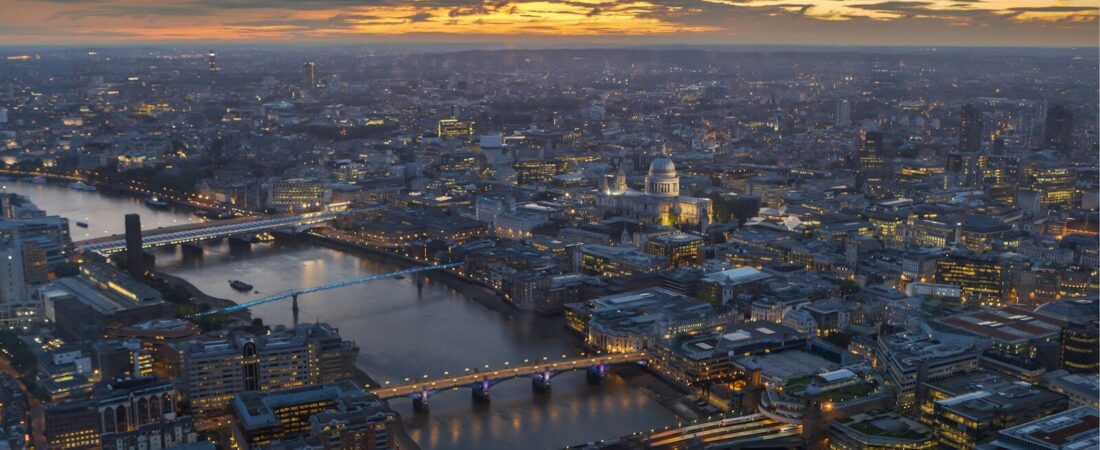
London has always been a city of contrasts. Historic streets meet contemporary architecture, traditional members’ clubs coexist with innovative cocktail bars, and centuries-old cultural institutions share the spotlight with some of the world’s most exciting entertainment venues. For visitors seeking something beyond the usual tourist attractions, the British capital offers a remarkably diverse social landscape.
From elegant evenings in Mayfair to spontaneous discoveries in Soho, experiencing London’s sophisticated side is as much about understanding its neighbourhoods as choosing where to spend an evening.
Mayfair: Timeless Elegance in the Heart of London
Few neighbourhoods capture London’s reputation for understated luxury quite like Mayfair. Situated between Hyde Park and Regent Street, this prestigious district has long attracted international visitors, business travellers and residents who appreciate exceptional hospitality.
Its streets are home to celebrated restaurants, independent galleries, luxury boutiques and discreet hotel bars. Establishments around Berkeley Square and Mount Street provide settings where thoughtful service and attention to detail take priority over unnecessary extravagance.
An evening might begin with dinner at a contemporary European restaurant before continuing at an intimate cocktail lounge. Unlike the more energetic entertainment districts, Mayfair encourages a relaxed pace, allowing visitors to enjoy conversation, atmosphere and the distinctive character of their surroundings.
The West End: Culture, Entertainment and Nightlife
London’s West End remains one of Europe’s leading cultural destinations. Theatre productions, live music, fine dining and late-night entertainment attract audiences throughout the year.
Covent Garden combines historic architecture with lively restaurants and performance spaces, while neighbouring Soho offers a more eclectic atmosphere. Its narrow streets contain everything from independent jazz venues to fashionable cocktail establishments.
The area’s greatest advantage is its variety. Visitors can move from a theatrical performance to dinner and then explore a completely different side of the city without travelling far.
For those unfamiliar with London, the West End also provides an accessible introduction to the capital’s social culture, blending traditional British hospitality with international influences.
Companionship and the Modern London Social Experience
Social experiences in a large international city are increasingly shaped by personal preferences. Some visitors enjoy exploring independently, while others appreciate opportunities for conversation, shared cultural interests and companionship during their stay.
London’s international character has encouraged the development of various online platforms connecting adults with independent social companions. People researching escorts London can encounter directories featuring individual profiles, locations, languages and contact information, allowing them to compare published details according to their preferences.
Such platforms vary in structure and purpose, making it important to understand whether a website operates as an advertising directory or directly organises services. Independent advertisers generally manage their own information and arrangements.
Clear communication, mutual respect, personal boundaries and an understanding of applicable local laws remain essential whenever adults make private social arrangements.
More broadly, the growing emphasis on personalised experiences reflects a familiar trend in luxury travel: visitors increasingly value flexibility and individual choice over standardised itineraries.
Knightsbridge and Chelsea: A Different Perspective on Luxury
Although Mayfair receives considerable international attention, Knightsbridge and Chelsea offer equally distinctive experiences.
Knightsbridge is associated with world-famous department stores, elegant residential streets and luxury hospitality. Its proximity to Hyde Park makes it particularly attractive for visitors who want to combine shopping, dining and quieter daytime activities.
Chelsea presents a slightly different character. Around Sloane Square and King’s Road, independent boutiques, established restaurants and neighbourhood cafés create a sophisticated yet residential atmosphere.
The district also has a strong artistic heritage, reflected in its galleries, historic buildings and cultural institutions.
For travellers spending several days in London, exploring these neighbourhoods provides a welcome contrast to the crowds around the city’s major landmarks.
London’s International Dining Culture
One of the defining features of London is its extraordinary culinary diversity. The capital’s restaurants reflect influences from across Europe, Asia, the Middle East and beyond.
Michelin-starred establishments coexist with independent neighbourhood favourites, allowing visitors to choose between elaborate tasting menus and more relaxed dining experiences.
Marylebone is particularly appealing for its village-like atmosphere and selection of contemporary restaurants. Notting Hill combines colourful streets with intimate dining rooms, while Shoreditch offers experimental cuisine in converted industrial spaces.
Choosing the right restaurant often depends on the occasion. A business dinner may benefit from a quieter setting, whereas a celebration might call for somewhere with distinctive interiors and a lively atmosphere.
Reservations are advisable for popular venues, especially on Friday and Saturday evenings, when demand can be considerable.
Canary Wharf: London’s Contemporary Social Landscape
Canary Wharf is best known as a major financial centre, yet its character has evolved significantly.
Modern waterfront restaurants, landscaped public areas, cultural events and stylish bars have transformed the district into an increasingly attractive destination outside conventional working hours.
Its architecture creates a striking contrast with historic central London. Glass towers overlook docks and pedestrian spaces, giving the neighbourhood an atmosphere that feels closer to other global financial capitals.
Business travellers staying in the area can enjoy dining and entertainment without necessarily travelling into the West End.
The district’s transport connections also make it relatively straightforward to explore other parts of London, although journey planning remains important during busy periods.
Planning a Memorable Evening in the Capital
London rewards visitors who approach its nightlife with a little preparation. The city’s size means that apparently nearby destinations may involve longer journeys than expected.
A carefully planned evening can therefore be more enjoyable than attempting to visit several widely separated neighbourhoods.
Consider choosing a particular district as the focus of the night. Mayfair suits elegant dining and quieter conversation, Soho offers energetic entertainment, and Chelsea provides a more intimate neighbourhood atmosphere.
Transport is another practical consideration. London’s Underground network connects most central districts, while licensed taxis and private-hire vehicles offer alternatives for later journeys.
Visitors should also check venue policies, opening hours and reservation requirements before travelling.
Above all, flexibility makes a difference. Some of London’s most memorable experiences come from discovering an unexpected restaurant, enjoying live music in a small venue or spending longer than planned somewhere with an inviting atmosphere.
Discovering London Beyond the Familiar
London’s appeal extends far beyond its famous monuments and recognisable shopping streets. Its social identity is shaped by the people, neighbourhoods and cultural influences that make each visit different.
Whether exploring traditional Mayfair, discovering the creative energy of Soho or enjoying contemporary hospitality in Canary Wharf, the capital offers countless opportunities to experience its distinctive character.
The most rewarding visits rarely depend on following a rigid itinerary. Instead, they combine curiosity, thoughtful planning and an appreciation of the city’s remarkable diversity.
For travellers who value culture, atmosphere and memorable social occasions, London continues to offer something genuinely exceptional.