
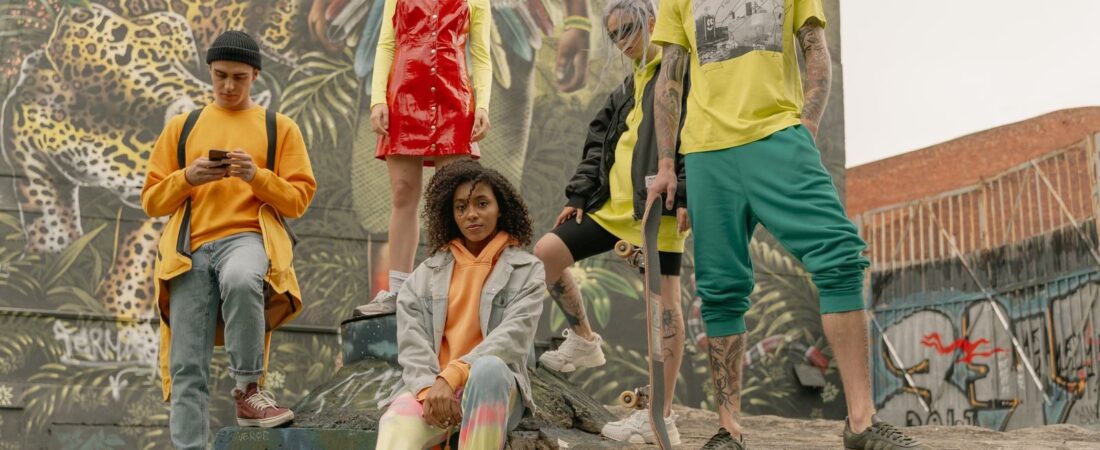
The internet has turned personal style into a form of entertainment, and few aesthetics demonstrate that shift as clearly as the rise of baddies online. Across social platforms, users encounter carefully styled outfits, polished makeup, beauty routines, lifestyle clips, confidence-focused posts and short-form videos built around the modern baddie aesthetic.
But baddie content is more than attractive photos or a collection of fashion trends. It represents a wider digital culture built around self-expression, appearance, confidence, identity and participation. Someone searching for online baddies may be looking for fashion inspiration, beauty ideas, creator content, social-media trends or simply an explanation of why the aesthetic has become so visible.
The growth of this culture also reveals something important about the modern internet: trends spread when they are visually recognisable, easy to recreate and easy to share. Baddie content fits that formula particularly well. From makeup transformations to outfit videos and lifestyle posts, the aesthetic can be adapted, remixed and personalised by almost anyone.
For a platform such as BaddiesHub, which focuses on fashion, beauty, lifestyle and digital culture, understanding that connection is essential.
What Does “Baddie” Mean Online?
Online, a “baddie” generally describes someone who presents themselves as confident, stylish, polished and intentional about their appearance. The term is strongly associated with fashion, makeup, beauty routines, photography and social-media self-expression.
However, there is no single baddie uniform.
The baddie aesthetic can include carefully coordinated outfits, defined makeup, styled hair, accessories, manicures, skincare routines and confident poses. For some people, it is primarily about appearance. For others, it represents independence, self-confidence and the freedom to develop a recognisable personal style.
That distinction matters because baddie culture is not simply a beauty trend. It has become a visual language. A creator can communicate confidence, ambition, femininity, creativity or personality through styling choices without explaining everything in words.
The aesthetic is also flexible. It changes as fashion cycles, beauty techniques and social-media preferences change. What looked distinctly “baddie” a few years ago may eventually be replaced by a softer, cleaner or more individual interpretation.
Why Is Baddie Content Trending?
The popularity of baddies content comes from several factors working together.
First, it is highly visual. Social platforms reward content that can communicate an idea quickly, and fashion and beauty provide immediate visual signals. A transformation, outfit combination or makeup look can be understood within seconds.
Second, baddie content is highly adaptable. Users do not need to copy an entire aesthetic. They can borrow one element—a hairstyle, lip combination, outfit silhouette, nail design or accessory—and make it their own.
Third, the culture connects appearance with identity. People often follow creators not only because they like their clothes or makeup, but because they relate to the confidence and personality being communicated.
There is also a strong aspirational element. A well-produced post can show a lifestyle that feels organised, fashionable and exciting. Viewers may then turn that inspiration into practical searches such as “baddie makeup,” “baddie outfits” or “baddie fashion trends.”
In other words, the trend works because it combines inspiration, entertainment and participation.
The Rise of Baddie Culture on Social Media
Social media transformed the baddie aesthetic from a niche style into a highly shareable form of digital culture.
Instagram helped popularise image-led personal branding, where an individual’s appearance, outfits, beauty choices and lifestyle could become part of a consistent visual identity. TikTok accelerated the process by making transformation videos, tutorials, styling ideas and short lifestyle clips easy to discover and reproduce.
YouTube adds another layer. Longer videos allow creators to explain makeup routines, clothing choices, shopping decisions, beauty techniques and lifestyle habits in much greater detail.
The important development is that these platforms do not simply distribute trends—they encourage users to participate in them.
A person sees a makeup tutorial, tries the technique, records their own version and publishes it. Another creator changes the look. Someone else turns it into a challenge or combines it with a different fashion aesthetic.
That cycle turns a trend into a community.
Beauty, Makeup, Fashion and the Baddie Aesthetic
Beauty remains one of the strongest foundations of baddie content, partly because makeup is both visual and instructional.
Common elements can include defined brows, polished base makeup, sculpted features, coordinated lip looks, statement lashes and carefully styled hair. Yet the specific techniques change constantly. New products, application methods and beauty preferences can reshape the aesthetic almost overnight.
Fashion works in a similar way.
Baddie fashion often emphasises intentional styling rather than one specific clothing category. An outfit can become part of the aesthetic through its silhouette, colour combination, accessories, styling and overall presentation.
This is where the culture becomes especially useful for fashion audiences. Instead of copying an entire creator’s wardrobe, viewers can identify individual styling principles and adapt them to their own budget, body shape, climate and personal preferences.
That approach is more sustainable than treating every viral outfit as something that must be purchased immediately.
Why People Engage With Online Baddies
People follow online baddies for different reasons, and reducing that interest to appearance misses much of the picture.
For some users, creators provide practical inspiration. A makeup look can become a tutorial. An outfit can provide styling ideas. A morning routine can offer a structure someone wants to try.
For others, the appeal is entertainment. Short videos combine music, visual transformation, personality and storytelling in a format that is easy to consume.
There is also a community dimension. Digital audiences can form around shared interests in beauty, fashion, confidence and lifestyle. Comments, remixes, duets, collaborations and discussions allow people to participate rather than simply watch.
The strongest creators therefore become more than visual references. Their personalities become part of the content.
That is one reason baddie creators can develop loyal audiences even when several creators are covering similar fashion or beauty topics.
How Algorithms Help Baddie Trends Go Viral
Algorithms play a major role in determining which baddie trends receive visibility.
Social platforms generally learn from signals such as viewing behaviour, interactions and the types of content users repeatedly engage with. Highly visual content can perform well because its subject is immediately understandable and can be consumed quickly.
Baddie content is particularly suited to this environment because it frequently contains a clear visual hook: a transformation, finished outfit, makeup result, hairstyle or lifestyle moment.
Once a format begins receiving attention, more creators may produce similar versions. This creates a feedback loop:
A trend appears → users engage → platforms recommend similar content → creators reproduce it → more users discover the trend.
The result can make a trend appear almost universal even when it is actually concentrated within particular online communities.
This is an important distinction. Viral visibility does not necessarily mean that everyone is following the trend. It means the content is receiving enough engagement to become highly visible within the platform’s recommendation system.
Baddie Trends and Creator Culture
The creator economy has changed the meaning of personal style.
A creator’s makeup, fashion choices, routines and opinions can become part of their personal brand. Consistency matters because audiences quickly recognise recurring visual elements.
This encourages creators to develop identifiable aesthetics while still experimenting with new trends.
It also creates opportunities for smaller creators. A person does not necessarily need celebrity status to participate in internet baddie culture. A strong concept, distinctive personality and consistent content can help someone build an audience within a specific niche.
At the same time, creator culture makes originality increasingly valuable. When thousands of accounts reproduce the same look, simply following the trend is less distinctive. The creators who stand out often add something personal—different styling, storytelling, humour, cultural influences or a recognisable point of view.
The Positive and Negative Sides of Baddie Culture
There are genuine positives to baddie culture.
It can encourage confidence, creativity and experimentation with personal style. Beauty and fashion communities can also provide practical knowledge, inspiration and social connection. For some people, creating content becomes a way to develop communication, photography, editing or entrepreneurial skills.
But there are downsides too.
Highly polished feeds can create unrealistic expectations about appearance and lifestyle. Constant exposure to carefully edited images may make ordinary experiences seem less attractive by comparison. Trend cycles can also encourage unnecessary spending, particularly when products are presented as essential to achieving a particular look.
There is another important issue: the pressure to maintain an online identity.
When appearance becomes part of a creator’s brand, taking a break or appearing imperfect can feel difficult. The line between self-expression and performance can become increasingly blurred.
A healthier interpretation of baddie culture is therefore one that treats the aesthetic as inspiration rather than a requirement. Confidence does not depend on achieving one particular face, body, wardrobe or lifestyle.
What Is Next for Baddie Content Online?
The future of baddie content is likely to become more personalised rather than disappear.
Instead of one universal baddie aesthetic, online audiences are already able to mix influences from different fashion, beauty and lifestyle communities. Personal style can move between glamorous, casual, minimalist, streetwear, vintage and other aesthetics without needing one fixed label.
Creators are also likely to place greater emphasis on personality and usefulness. Tutorials, styling education, realistic routines and behind-the-scenes content can offer more value than perfectly staged images alone.
For audiences, that shift could make baddie culture more interesting. The next phase may be less about looking exactly like a particular creator and more about using digital inspiration to develop an individual identity.
That is ultimately why the trend has staying power: the aesthetic can change while the underlying desire for confidence, self-expression and community remains relevant.
FAQs About Baddies Online
What does baddie mean online?
Online, “baddie” generally refers to a confident, stylish and appearance-conscious person, particularly someone associated with fashion, beauty and social-media culture. The meaning can vary depending on the community using the term.
What is baddie culture?
Baddie culture is a digital lifestyle and aesthetic centred on confidence, personal presentation, fashion, beauty and self-expression. It is shaped heavily by social-media creators and online communities.
Why is baddie content so popular?
Baddie content is visually engaging, easy to understand and simple to recreate. It combines fashion, beauty, personality and transformation in formats that work particularly well on image- and video-focused platforms.
What are common baddie trends?
Common trends can include polished makeup looks, coordinated outfits, styled hair, accessories, beauty routines, transformation videos and confidence-focused lifestyle content. Specific trends change quickly as online aesthetics evolve.
How has social media influenced baddie culture?
Instagram, TikTok, YouTube and other platforms have made baddie culture easier to discover, reproduce and share. Algorithms can increase the visibility of engaging content, while creators continually adapt and remix popular styles.
What is the baddie aesthetic?
The baddie aesthetic is a flexible visual style associated with polished beauty, intentional fashion, confidence and strong personal presentation. There is no single required look.
Why do people follow online baddies?
People may follow online baddies for fashion inspiration, makeup ideas, entertainment, lifestyle motivation, creator personalities or participation in an online community. Different audiences engage for different reasons.
Conclusion
The rise of baddies online is not simply a story about makeup, outfits or attractive social-media posts. It reflects a broader change in how people use the internet to express identity, discover trends and build communities.
Baddie culture succeeds because it is visual, adaptable and participatory. A creator can introduce a look, an audience can reinterpret it, and an algorithm can push the resulting content to thousands of new viewers. That combination gives baddie trends remarkable speed.
At the same time, the most useful way to approach the culture is with balance. Inspiration can encourage creativity and confidence, but online images should not become a standard that determines someone’s value.
For more conversations around baddie fashion, beauty, lifestyle and digital culture, explore the latest articles and trend-focused guides on BaddiesHub Info.