
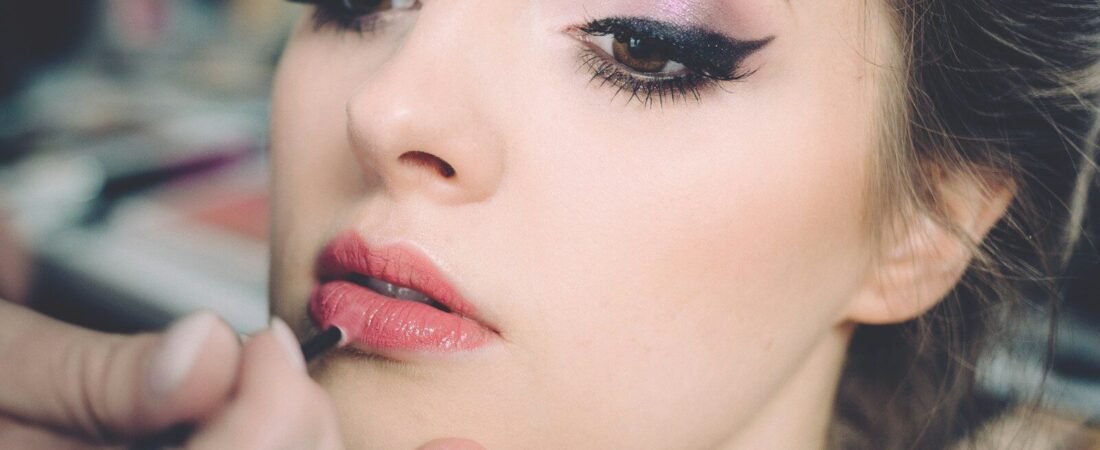
Celebrity makeup tutorials have become one of the most popular ways to learn new beauty techniques. From red-carpet glam to effortless natural looks, the makeup choices of actors, musicians, and public figures regularly inspire everyday routines. Audiences see a striking eyeliner shape or a dewy complexion on a red carpet and want to know how it was achieved. The good news is that most celebrity-inspired looks are built on a handful of influential makeup techniques that can be adapted to almost any budget, skin type, and skill level. This article explores the most influential makeup trends, explains how to recreate them step by step, and offers practical guidance on tools, products, and techniques. Whether you are drawn to soft glam, bold lips, or glowing skin, the goal is inspiration rather than imitation.
What Are Celebrity Makeup Trends?
Celebrity makeup trends are the styles, techniques, and product choices that gain visibility through famous figures and the beauty professionals who work with them. They spread through film premieres, award shows, music videos, interviews, and social media posts, and are often amplified by makeup artists who share breakdowns of their work online. A look that appears on a red carpet can be analysed, recreated, and discussed within hours, which is why trends now move faster than ever.
It is useful to distinguish a trend from a timeless technique. A trend might involve a particular colour, finish, or eyeliner shape that dominates for a season. A timeless technique, such as blending eyeshadow or matching foundation correctly, remains relevant regardless of what is currently popular. Beauty recreations work best when they focus on technique rather than trying to copy every detail of a specific photograph.
Adapting inspiration is more practical than copying it. A celebrity’s makeup is designed for specific lighting, photography, and events, and the same look may feel very different in everyday life. Readers should feel free to take the parts that work for them, adjust the intensity, and leave the rest. Cosmetic tips are most useful when they support personal preference and comfort rather than demanding conformity.
Popular Celebrity-Inspired Makeup Looks
Soft Glam
Soft glam is one of the most versatile looks and a frequent starting point for celebrity makeup tutorials. It combines blended eyeshadow in neutral or warm tones, a subtle contour, defined lashes, and a lipstick that complements rather than competes with the eyes. The result is polished but not heavy. To recreate it at home, choose a mid-tone eyeshadow in the crease, blend a slightly darker shade outward, and keep the lid colour close to your skin tone. Add mascara or modest false lashes, a light contour under the cheekbones, and a satin or cream lipstick.
Glowing Skin
Glowing skin remains one of the most requested glam looks. The emphasis is on moisture, a natural-looking base, and strategic highlighting rather than a heavy layer of coverage. Start with a well-moisturised face, apply a skin tint or lightweight foundation in thin layers, and use concealer only where needed. Place highlighter on the high points of the cheekbones, the bridge of the nose, and the cupid’s bow. Avoid over-powdering, which can flatten the finish.
Smoky Eyes
Smoky eyes can appear intimidating, but the technique is built on gradual blending. Begin with a transition shade in the crease, then build depth with darker shades on the outer corner and lower lash line. Eyeliner can be smudged for a softer effect or kept sharp for a more dramatic finish. Balance the eyes with a neutral or nude lip colour. Practising the blending on the back of the hand before applying it to the eye can help beginners build confidence.
Bold Lips
A bold lip is one of the simplest ways to create a statement. Red, berry, brown, and deep plum shades appear regularly on red carpets. For a clean result, exfoliate the lips gently, apply a lip liner close to the natural lip colour, and fill in with the chosen lipstick. A matching or slightly deeper liner helps prevent bleeding. Keep the eyes relatively simple so the lip remains the focus.
Natural Makeup
Natural makeup focuses on enhancing rather than transforming. Lightweight coverage, brushed and slightly filled brows, a wash of neutral eyeshadow, mascara, and a tinted lip balm can create a fresh look. The key is to use small amounts of product and build only where necessary. This look is particularly practical for daytime and for readers who prefer a low-maintenance routine.
Bronzed Makeup
Bronzed looks use warm tones to create a sun-kissed effect. Bronzer is typically applied to the areas where the sun would naturally hit, such as the cheekbones, temples, and the bridge of the nose. Coordinating blush in a warm peach or terracotta shade can tie the look together. Avoid applying bronzer too heavily or in cool tones, which can look unnatural on many skin tones.
Dramatic Eye Makeup
Dramatic eye makeup includes graphic eyeliner, extended wing shapes, and layered eyeshadow combinations. Lashes, whether natural or false, play a significant role in the finished effect. To recreate a dramatic eye at home, practise the liner shape with a pencil before committing to liquid liner, and build the eyeshadow in stages. Keep the rest of the face relatively simple to balance the intensity.
Monochromatic Makeup
Monochromatic makeup coordinates shades across the cheeks, eyes, and lips. A peach palette might be used on the cheeks, eyelids, and lips for a cohesive look, while a berry palette can create a deeper evening style. The advantage is that the coordination simplifies decision-making and creates a harmonious result. Choose shades within a similar family and adjust the intensity for daytime or evening.
How to Recreate a Celebrity Makeup Look Step by Step
This beginner-friendly sequence can be adapted to almost any style. The goal is to build the look in layers, checking the result as you go.
- Cleanse and moisturise. Start with clean skin and a moisturiser suited to your skin type.
- Apply sunscreen. Use a broad-spectrum sunscreen for daytime looks, even if your foundation contains SPF.
- Prime if desired. A primer can smooth the skin or help makeup last longer, but it is optional.
- Apply foundation or skin tint. Use thin layers and build coverage only where needed. Blend outward from the centre of the face.
- Conceal selectively. Apply concealer under the eyes, around the nose, or on blemishes, and blend carefully with a sponge or brush.
- Shape the brows. Brush the brows upward and fill sparse areas with light strokes. Avoid harsh, blocky shapes.
- Apply eye makeup. Follow the chosen look, whether neutral, smoky, or dramatic, and finish with mascara or lashes.
- Add blush, bronzer, and highlighter. Apply each product lightly and blend to avoid visible lines.
- Apply lip colour. Choose a shade that complements the eyes and the overall look.
- Blend and set. Check the overall balance, blend any harsh edges, and use a setting spray or light powder if desired.
For a quick daytime look, reduce the number of eyeshadow shades, skip heavy contour, and choose a tinted lip balm. For evening glam, add more depth to the eyes, define the lips with liner, and use lashes if you are comfortable with them. Always patch-test unfamiliar products, especially eye and lip products, and choose cosmetics suitable for your skin.
Celebrity Makeup Inspiration from Music and Entertainment Personalities
Performers often develop distinctive beauty aesthetics through stage appearances, music videos, interviews, fashion, and social media. Their looks are not simply about makeup; they are part of a broader public identity that combines styling, performance, and personality.
For readers interested in how a public image evolves, GloRilla’s career offers context on how entertainment and public presentation intersect. Performers often use beauty choices to express individuality, and a recognisable aesthetic can become part of an artist’s broader visual identity. Readers curious about how music, style, and public image come together can explore the overlap between music, performance, makeup, and fashion across contemporary entertainment.
Similarly, Sexyy Red’s public image can be viewed as part of a larger conversation about how performers express individuality through appearance, makeup, and fashion. These choices are personal and creative, and they contribute to the visual language that audiences associate with a particular artist.
Entertainment personalities who appear across both music and reality television often bring a camera-ready glam that translates into broader beauty inspiration. Sukihana’s presence across both formats can be explored as an example of how visibility across platforms shapes public style and presentation.
Polished makeup and evolving public style are also central to Justine Skye’s public presence, where fashion and beauty have long been part of an entertainment identity. These references are contextual and should not be read as confirming specific makeup routines or product endorsements.
Choosing Makeup Products on Different Budgets
Building a practical makeup kit does not require buying every trending product. A small, versatile collection can handle most looks. Start with a foundation or skin tint that matches your skin, a concealer for targeted coverage, a blush that suits your undertone, a mascara, a brow product, a small eyeshadow palette with neutral shades, a lipstick, and a setting product.
Affordable products can work well for many categories, particularly mascara, brow pencils, and lip products. The areas where a specific formula or tool may make a noticeable difference include foundation shade matching, eyeshadow blendability, and brushes that apply product evenly. Shade matching is more important than price. Choose a foundation that matches your neck and undertone, and test it in natural light where possible.
Product texture and personal preference matter too. Cream products may suit dry skin, while powders may work better for oily skin. There are no universal rules about which product is best, only what suits your skin and the effect you want to achieve.
Celebrity Makeup Tips for Different Skin Types and Tones
Dry skin often benefits from moisturising primers, cream-based foundations, and hydrating setting sprays. Oily skin may respond better to mattifying primers, powder-based products, and light setting powders. Combination skin can use different products in different zones. Sensitive skin should favour fragrance-free formulas and patch-test new products before applying them to the face.
Choosing flattering colours for different skin tones is less about rigid rules and more about understanding undertones. Warm undertones often suit peachy, golden, and bronze shades, while cool undertones may find rosy and berry shades more flattering. Neutral undertones can wear both. The best way to find what works is to test colours in natural light and observe how they interact with your skin.
Lighting, photography, and filters can significantly change the appearance of makeup. A look that appears flawless in a photograph may look very different in person, and vice versa. Prioritise comfort, skin compatibility, and personal preference over matching a specific image.
Makeup Tools and Techniques That Make a Difference
Brushes and sponges help distribute product evenly and can significantly affect the finished result. A damp sponge can sheer out foundation, while a dense brush can build coverage. Eyelash curlers and mascara open the eyes, and eyeliner brushes allow precise application. Blending brushes are essential for eyeshadow, and lip brushes can help define edges.
Setting sprays and powders help makeup last longer, particularly in warm or humid conditions. Hygiene is equally important. Clean brushes and sponges regularly, avoid sharing eye and lip products, and replace products according to their recommended shelf life. Applying too much product at once is a common issue, and building in thin layers usually produces a more natural result.
Common Mistakes When Recreating Celebrity Makeup
- Wrong foundation shade. Test in natural light and match to the neck, not the hand.
- Applying too much product at once. Build in thin layers and blend as you go.
- Poorly blended eyeshadow or contour. Use a clean brush to soften edges.
- Overusing highlighter or powder. Apply lightly and check in natural light.
- Ignoring natural features and face shape. Adapt placement to your own bone structure.
- Copying filtered photographs. Consider real-world lighting and how the look will appear in person.
- Using expired or shared eye and lip products. Replace products regularly and avoid sharing.
Each of these issues has a practical solution. Choosing the right shade and building gradually will improve most looks, and patience with blending is more valuable than expensive products.
How to Make Celebrity Makeup Work for Everyday Life
Red-carpet looks can be simplified for work, college, casual outings, and special events. For daytime, reduce the number of eyeshadow shades, skip heavy contour, and choose a tinted lip balm or sheer lipstick. For an evening event, keep the base simple and focus on one feature, such as a bold lip or a defined eye.
Focusing on one feature at a time creates a balanced result. If the eyes are dramatic, keep the lips neutral. If the lips are bold, keep the eyes simple. Confidence, individuality, and comfort matter more than perfection, and a look that feels natural to you will usually look better than one that feels like a costume.
Social Media, Beauty Filters, and Makeup Trends
Short-form videos and online tutorials help trends spread quickly, and they can be valuable learning resources. However, edited images and filters can create unrealistic expectations. A tutorial that looks flawless on screen may rely on ring lighting, filters, or professional editing. Readers should evaluate tutorials for lighting, technique, and product suitability rather than assuming the result will look identical in person.
Beauty standards vary across cultures and communities, and no single look is universally ideal. The most useful approach is to take inspiration from what you see, adapt it to your own features and preferences, and avoid comparing yourself to images that have been edited or professionally produced. For readers who want to explore more context on how public image and beauty expectations intersect, learning resources that examine entertainment culture and beauty standards can offer useful perspective alongside practical tutorials.