
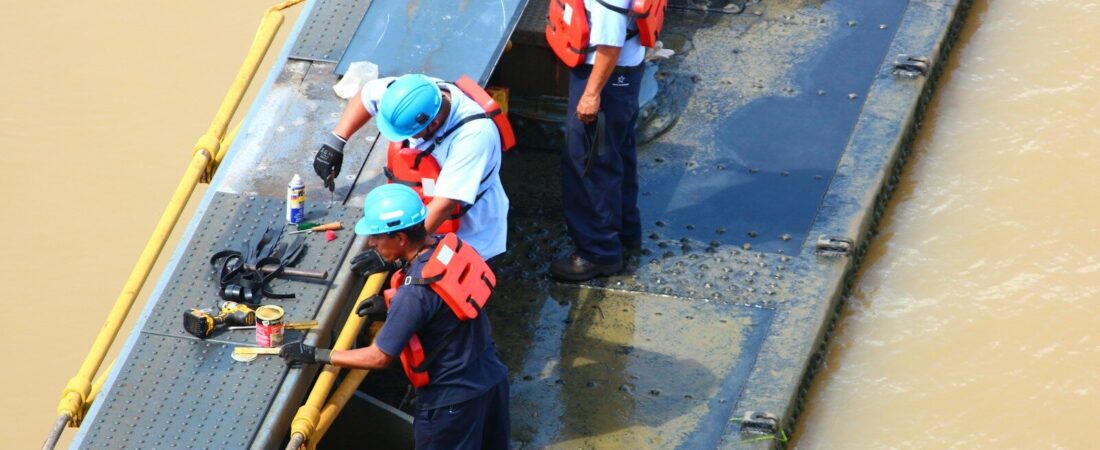
Natural disasters, climate-related emergencies, industrial accidents, and public health crises continue to challenge communities worldwide. In every emergency situation, the disaster management crew plays a critical role in protecting lives, minimizing damage, and helping communities recover. Whether responding to floods, earthquakes, hurricanes, wildfires, or other emergencies, these professionals work under extreme pressure to coordinate rescue efforts and provide essential support.
Understanding how can we empower the disaster management crew is becoming increasingly important as disasters grow more frequent and complex. Empowerment involves providing the right training, technology, resources, leadership, and community support so emergency response teams can perform effectively when lives are at stake.
A well-equipped and empowered disaster management crew can significantly reduce casualties, accelerate recovery efforts, and improve overall disaster resilience. Governments, organizations, businesses, and local communities all have a role to play in strengthening emergency response capabilities.
Understanding the Role of a Disaster Management Crew
Before exploring how to empower emergency responders, it is important to understand their responsibilities.
A disaster management crew typically handles:
-
Emergency planning
-
Risk assessment
-
Search and rescue operations
-
Medical assistance
-
Evacuation coordination
-
Resource distribution
-
Communication management
-
Recovery and rehabilitation efforts
These teams often include firefighters, paramedics, police officers, emergency coordinators, volunteers, logistics specialists, and healthcare professionals.
Their work begins long before a disaster occurs and continues long after the immediate crisis has passed.
Why Empowering Disaster Management Crews Matters
Every minute counts during an emergency. Delays in communication, inadequate resources, or insufficient training can have devastating consequences.
Empowering disaster management crews leads to:
-
Faster emergency response
-
Better coordination
-
Reduced casualties
-
Improved public safety
-
Stronger community resilience
-
More efficient recovery operations
As disaster risks continue to evolve, emergency response teams must have access to modern tools and support systems.
Investing in Advanced Training Programs
One of the most effective answers to the question, how can we empower the disaster management crew, is through continuous training.
Disasters are unpredictable, requiring responders to adapt quickly to changing conditions.
Training should include:
Emergency Response Simulations
Realistic simulations prepare teams for high-pressure situations.
Simulation exercises help responders:
-
Practice decision-making
-
Improve coordination
-
Test emergency plans
-
Identify operational weaknesses
Medical Emergency Training
Medical emergencies often occur during disasters.
Disaster crews should receive training in:
-
First aid
-
Trauma care
-
CPR
-
Mass casualty management
Leadership Development
Strong leadership improves efficiency during emergencies.
Leadership programs help supervisors:
-
Make critical decisions
-
Manage stress
-
Coordinate resources
-
Communicate effectively
Technology Training
As emergency technologies evolve, crews must learn how to use:
-
Drones
-
Geographic Information Systems (GIS)
-
Emergency communication platforms
-
Disaster management software
Continuous learning ensures responders remain prepared for modern challenges.
Providing Modern Technology and Equipment
Technology has transformed emergency response operations.
Providing advanced equipment is essential for empowering disaster management crews.
Emergency Communication Systems
Communication failures can create confusion during disasters.
Reliable communication tools include:
-
Satellite phones
-
Radio networks
-
Mobile emergency applications
-
Cloud-based communication platforms
These systems help maintain coordination even when traditional networks fail.
Drones for Disaster Assessment
Drones provide real-time information during emergencies.
Benefits include:
-
Rapid damage assessment
-
Search and rescue support
-
Hazard identification
-
Resource monitoring
Drone technology allows responders to access dangerous areas safely.
Geographic Information Systems
GIS technology helps teams visualize disaster zones and make informed decisions.
GIS can support:
-
Evacuation planning
-
Resource allocation
-
Infrastructure monitoring
-
Risk mapping
Accurate geographic data improves emergency response effectiveness.
Artificial Intelligence Solutions
Artificial intelligence can analyze large amounts of data quickly.
AI supports disaster management through:
-
Predictive modeling
-
Risk forecasting
-
Resource optimization
-
Early warning systems
These capabilities help responders prepare before disasters strike.
Strengthening Mental Health Support
Emergency responders often face traumatic situations.
Exposure to loss, destruction, and high-stress environments can affect mental well-being.
Organizations should provide:
-
Counseling services
-
Psychological support programs
-
Stress management training
-
Peer support networks
Mental resilience is just as important as physical readiness.
Supporting mental health helps prevent burnout and improves long-term performance.
Enhancing Resource Availability
Even the most skilled disaster management crew cannot perform effectively without adequate resources.
Essential resources include:
-
Medical supplies
-
Protective equipment
-
Rescue tools
-
Emergency vehicles
-
Temporary shelters
-
Food and water supplies
Maintaining emergency stockpiles ensures rapid deployment when disasters occur.
Resource planning should include contingency strategies for large-scale emergencies.
Improving Community Engagement
Disaster response is most effective when communities actively participate.
Empowering disaster management crews requires collaboration between responders and residents.
Public Awareness Programs
Educational campaigns help communities understand:
-
Emergency preparedness
-
Evacuation procedures
-
Disaster risks
-
Safety measures
Prepared communities reduce pressure on emergency services.
Volunteer Networks
Trained volunteers can provide valuable support during emergencies.
Volunteer programs help:
-
Expand response capacity
-
Improve local coordination
-
Strengthen community resilience
Community Drills
Emergency drills allow residents and responders to practice disaster response together.
These exercises improve:
-
Communication
-
Coordination
-
Public confidence
Community involvement creates stronger disaster preparedness systems.
Building Strong Interagency Collaboration
Disasters often require multiple organizations to work together.
These may include:
-
Fire departments
-
Police agencies
-
Healthcare providers
-
Government agencies
-
Nonprofit organizations
-
Utility companies
Collaboration improves:
-
Resource sharing
-
Information exchange
-
Operational efficiency
Joint training exercises help organizations build trust and strengthen partnerships before emergencies occur.
Developing Effective Emergency Plans
Every disaster management crew should operate under a comprehensive emergency response plan.
A strong plan includes:
Risk Assessment
Identifying potential hazards allows teams to prepare appropriately.
Common risks include:
-
Floods
-
Earthquakes
-
Wildfires
-
Hurricanes
-
Industrial accidents
Response Procedures
Clear procedures help responders act quickly.
Plans should define:
-
Roles and responsibilities
-
Communication protocols
-
Resource deployment strategies
Recovery Strategies
Recovery planning ensures communities can rebuild effectively after disasters.
Prepared recovery frameworks reduce long-term disruption.
Supporting Disaster Preparedness Through Funding
Financial investment is critical for empowering disaster management crews.
Funding supports:
-
Equipment purchases
-
Training programs
-
Infrastructure improvements
-
Technology adoption
Governments and organizations should prioritize disaster preparedness budgets rather than waiting until after disasters occur.
Proactive investment often saves lives and reduces recovery costs.
Leveraging Data and Analytics
Data-driven decision-making improves emergency response outcomes.
Modern analytics help identify:
-
High-risk areas
-
Vulnerable populations
-
Resource requirements
-
Response trends
Real-time data enables responders to make informed decisions during rapidly changing situations.
Analytics also support long-term disaster planning and risk reduction efforts.
Encouraging Innovation in Disaster Management
Innovation creates new opportunities for improving emergency response.
Emerging technologies include:
Robotics
Robots can operate in dangerous environments where human access is limited.
Applications include:
-
Search and rescue missions
-
Hazardous material response
-
Structural inspections
Internet of Things Sensors
Connected sensors provide real-time monitoring of:
-
Weather conditions
-
Water levels
-
Air quality
-
Infrastructure stability
These systems improve early warning capabilities.
Predictive Analytics
Advanced forecasting models help predict disaster impacts before they occur.
This allows responders to prepare resources and coordinate response efforts more effectively.
Improving Infrastructure Resilience
Strong infrastructure supports effective disaster response.
Investments should focus on:
-
Emergency operation centers
-
Communication networks
-
Transportation systems
-
Healthcare facilities
Resilient infrastructure ensures responders can continue operations during emergencies.
Infrastructure planning should incorporate climate risks and future disaster scenarios.
Creating a Culture of Preparedness
Empowering disaster management crews requires more than equipment and training.
A culture of preparedness encourages:
-
Continuous improvement
-
Shared responsibility
-
Community participation
-
Organizational resilience
Preparedness should become an ongoing process rather than a reaction to emergencies.
Organizations that prioritize preparedness are better positioned to protect lives and property.
The Future of Disaster Management
The future of emergency response will rely heavily on technology, collaboration, and resilience.
Key trends include:
-
AI-powered disaster prediction
-
Smart city emergency systems
-
Drone-assisted rescue operations
-
Enhanced communication networks
-
Climate adaptation planning
Disaster management crews must adapt to these changes to remain effective.
Continuous investment in innovation and training will be essential.
Conclusion
The question how can we empower the disaster management crew is more important than ever in a world facing increasing natural and human-made disasters. Empowerment requires a combination of advanced training, modern technology, adequate funding, strong leadership, mental health support, and community engagement.
By strengthening emergency response capabilities, organizations can help disaster management crews operate more efficiently, save more lives, and support faster recovery efforts. Investing in preparedness today creates safer and more resilient communities tomorrow.
An empowered disaster management crew is not only better equipped to respond during emergencies but also plays a critical role in building long-term resilience against future disasters.
FAQs
Why is empowering disaster management crews important?
Empowering disaster management crews improves emergency response speed, coordination, safety, and recovery outcomes during disasters.
What technology helps disaster management crews?
Technologies such as drones, GIS systems, AI analytics, satellite communication tools, and emergency management software enhance disaster response operations.
How does training improve disaster response?
Training improves decision-making, teamwork, communication, medical response skills, and overall preparedness during emergencies.
What role do communities play in disaster management?
Communities support preparedness efforts through education, volunteer programs, emergency drills, and cooperation with emergency responders.
How can governments support disaster management crews?
Governments can provide funding, training programs, infrastructure improvements, technology investments, and policy support to strengthen emergency response capabilities.