
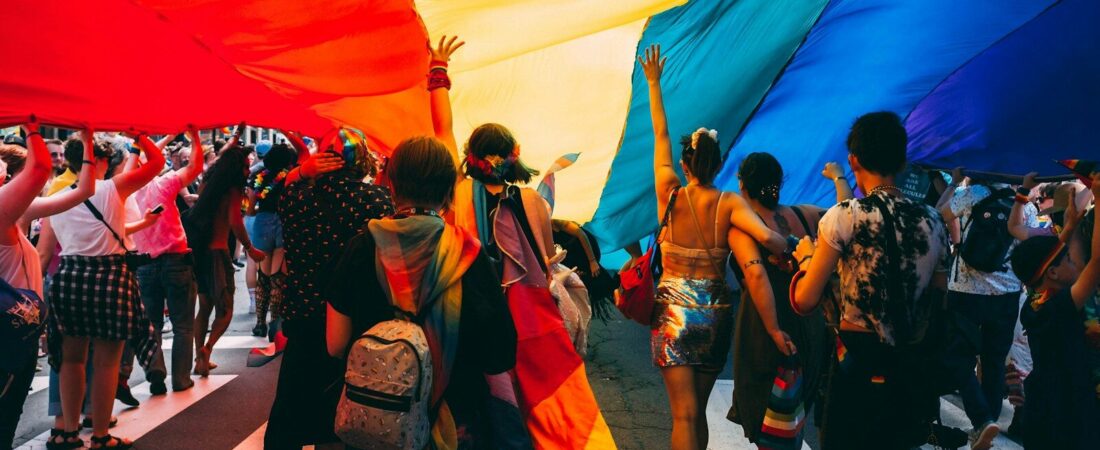
Music and entertainment have long provided spaces where LGBTQ+ audiences can find visibility, creative freedom, connection, and representation. From the coded performances of earlier decades to the openly queer artists headlining major festivals today, LGBTQ+ icons have shaped not only their genres but the broader cultural conversation around identity, expression, and belonging. This article explores influential LGBTQ+ figures in music and entertainment, the difference between LGBTQ+ artists and supportive allies, and how Pride culture continues to influence creative work.
The term LGBTQ+ icons covers a wide range of people and contributions. Some artists are celebrated for publicly sharing their identities and experiences, while others are recognized for allyship and advocacy. Both forms of influence matter, but they are not the same, and this article is careful to distinguish between the two.
Our coverage begins with an explanation of what makes someone an LGBTQ+ icon, then moves through music history, contemporary pop culture, film and television, and the role of allies and Pride celebrations. Along the way, we highlight verified contributions and avoid speculation about private lives or unconfirmed identities.
What Makes Someone an LGBTQ+ Icon?
An LGBTQ+ icon can emerge from several kinds of influence. Artistic impact is one: an artist whose music, performance style, or creative vision changes how audiences understand a genre or a moment. Public visibility is another: a figure who speaks openly about their identity and experiences, creating space for others in the process. Representation in mainstream entertainment matters as well, especially when it moves beyond stereotypes and gives LGBTQ+ audiences complex, fully realized characters and stories.
Contributions to LGBTQ+ history and community initiatives also shape iconic status. Some artists use their platforms to support advocacy organizations, fund community programs, or speak out against discrimination. Others inspire through their very presence, expanding what audiences expect from public figures.
Supportive allyship is a distinct category. An ally may be a public figure who is not LGBTQ+ but uses their visibility to advocate for equality, inclusion, and respectful representation. Allyship is valuable, but it is not the same as personally identifying as LGBTQ+, and this article treats the two categories separately.
LGBTQ+ Icons Who Changed Music History
LGBTQ+ musicians have influenced virtually every major genre of popular music. The following sections highlight a selection of figures whose contributions and public identities are well documented. This is not an exhaustive list, and the artists discussed represent a range of genres, eras, and experiences.
Elton John
Elton John is one of the most successful and recognizable musicians in popular music history. He publicly came out as gay in the early 1990s and has since been a prominent advocate for LGBTQ+ rights, including through the Elton John AIDS Foundation, which he founded in 1992. His flamboyant performance style and enduring catalog have influenced generations of artists across pop and rock.
Freddie Mercury
Freddie Mercury, the lead vocalist of Queen, is celebrated for his extraordinary vocal range and stage presence. His public identity and personal life have been discussed in documentaries, biographies, and the film Bohemian Rhapsody, though discussions should be handled with historical accuracy and care. Mercury’s legacy continues to shape rock music and LGBTQ+ cultural history.
George Michael
George Michael, who began his career with Wham! before becoming a successful solo artist, publicly addressed his sexuality in the late 1990s. His songwriting and vocal style influenced pop and soul music, and his later work often explored themes of identity, love, and social observation.
David Bowie
David Bowie’s career included decades of experimentation with persona, genre, and public identity. Bowie made statements about his sexuality at various points in his career, and his willingness to blur the boundaries between masculine and feminine presentation influenced countless artists. Discussions of Bowie’s identity should reflect the complexity of his public statements over time.
Madonna
Madonna is widely recognized as an ally to LGBTQ+ communities, particularly through her support during the HIV/AIDS crisis and her long-standing advocacy for LGBTQ+ rights. Her music, visual style, and willingness to address controversial topics made her an important figure for many queer audiences during the 1980s and 1990s.
Lady Gaga
Lady Gaga has been a vocal advocate for LGBTQ+ communities throughout her career. Her song “Born This Way” became an anthem for self-acceptance, and she has used her platform to speak about equality and mental health. She is also openly bisexual and has discussed her identity in interviews and public statements.
Lil Nas X
Lil Nas X emerged as one of the most prominent openly gay artists in hip-hop and pop. His willingness to blend genres and to address his identity in his music and public appearances has made him a significant figure in contemporary music. His career illustrates how openly queer artists can achieve mainstream success across genres that have historically been less welcoming to LGBTQ+ performers.
Sam Smith
Sam Smith has been open about their identity as nonbinary and has used they/them pronouns publicly since 2019. Their vocal style and songwriting have earned critical and commercial success across pop and R&B, and their openness about identity and body image has resonated with audiences.
Hayley Kiyoko
Hayley Kiyoko has been a prominent voice in pop music, often referred to by fans as a figure who brings queer representation to mainstream pop. Her music videos and songwriting frequently explore relationships and experiences from a queer perspective, making her an important figure for younger LGBTQ+ audiences.
Chappell Roan
Chappell Roan has become one of the most visible queer artists in contemporary pop, known for her theatrical performances, camp-influenced aesthetics, and songs that explore love and identity from a queer perspective. Her breakthrough in the mid-2020s reflects the growing visibility of openly queer artists in mainstream pop.
Queer Musicians Shaping Modern Pop Culture
Contemporary queer musicians work across pop, hip-hop, R&B, rock, electronic music, and other genres. Their contributions are not limited to songs about identity. Many explore themes of love, loss, celebration, belonging, and self-discovery in ways that resonate across audiences.
Some artists use music videos and live performances to explore gender expression, costume, and theatricality. Others focus on songwriting and storytelling, using personal experiences to create work that feels both specific and universal. The range of approaches reflects the diversity of LGBTQ+ experiences and the fact that no single artist represents an entire community.
For readers interested in how artists from different backgrounds build careers and creative identities, our coverage of figures like Seven Craft offers additional context on the entertainment landscape.
LGBTQ+ Representation in Film and Television
Film and television have played a significant role in shaping how audiences understand LGBTQ+ lives. Early representation was often limited to coded characters or tragic storylines. Over time, filmmakers, writers, and performers have expanded the range of LGBTQ+ characters and stories on screen.
Authentic storytelling matters because it allows LGBTQ+ audiences to see themselves reflected in complex, fully realized characters. It also introduces audiences to experiences and perspectives they may not encounter in their daily lives. Behind-the-scenes creators, including writers, directors, and producers, play an essential role in shaping that representation.
Reality television has also become a space where LGBTQ+ personalities can build visibility and connect with audiences. Our feature on historical figures explores how public careers in reality TV develop over time.
Celebrity Allies and Their Influence
Celebrity allies can support LGBTQ+ communities through public actions and advocacy. Examples include speaking against discrimination, supporting Pride events, funding LGBTQ+ charities, and using their platforms to promote inclusive representation. Allyship is most meaningful when it is consistent and informed rather than performative.
It is important to verify public actions before describing someone as an ally. Popularity, friendships, or fan interpretations are not sufficient evidence. Reliable sources, including public statements, interviews, and documented contributions to LGBTQ+ organizations, provide the basis for discussing allyship responsibly.
Pride Culture, Music, and Self-Expression
Pride celebrations have long been connected to music, performance, and creative expression. Festivals, concerts, drag performances, dance, and community gatherings create spaces for celebration, solidarity, and visibility. Music in particular has played a central role in Pride events, from anthems of resistance to contemporary pop hits.
Pride has historical and community significance that goes beyond commercial branding. Its roots are in activism and the ongoing struggle for equality, and recognizing that history is important. At the same time, Pride celebrations today take many forms, reflecting the diversity of LGBTQ+ communities and the different ways people choose to express themselves.
How LGBTQ+ Representation Has Changed Over Time
LGBTQ+ visibility in music and entertainment has changed significantly across decades. Earlier periods often featured coded representation, with artists unable to speak openly about their identities due to industry and social pressures. Over time, more artists began sharing their experiences publicly, and audiences responded with growing support.
Film and television storytelling has also evolved, moving from limited or stereotypical portrayals toward more complex and varied characters. Social media has created new opportunities for artists and audiences to connect directly, though challenges remain. Differences in acceptance persist across communities and regions, and the history of LGBTQ+ representation is not a simple story of uninterrupted progress.
The Role of Social Media in LGBTQ+ Visibility
Social media platforms allow LGBTQ+ artists and audiences to share stories, discover music, discuss representation, and build communities. These spaces can provide connection and support, particularly for people who may not have access to LGBTQ+ communities in their daily lives.
At the same time, digital platforms can present challenges. Harassment, misinformation, online stereotyping, and privacy concerns affect many public figures, including LGBTQ+ artists. The pressure to disclose personal information or to speak on behalf of an entire community can be significant. Understanding both the benefits and the difficulties provides a more balanced picture of social media’s role.
Challenges LGBTQ+ Artists Still Face
Despite significant progress, LGBTQ+ artists continue to face challenges in the entertainment industry. These can include discrimination, stereotyping, unequal representation, and unwanted scrutiny of their personal lives. Online abuse and harassment affect many public figures, and acceptance varies across social and cultural settings.
It is important to avoid implying that every LGBTQ+ artist experiences the same circumstances. The challenges described here reflect documented industry patterns and reported experiences rather than universal conditions.
Why LGBTQ+ Representation Matters in Entertainment
Authentic representation allows audiences to encounter a wider range of experiences and stories. It can support LGBTQ+ individuals in feeling seen and understood, and it can introduce other audiences to perspectives they may not have encountered before. Representation also matters for creative freedom, allowing artists to express themselves honestly and to explore the full range of human experience.
At the same time, representation is not a single solution. It works alongside broader cultural, legal, and social changes. The most meaningful representation tends to come from LGBTQ+ creators telling their own stories rather than from outside assumptions about what those stories should be.
Reality television and entertainment franchises have become part of this broader conversation, with figures and casts contributing to ongoing discussions about identity and visibility in popular culture.
The Future of LGBTQ+ Representation in Music and Entertainment
The future of LGBTQ+ representation will likely involve a continued expansion of diverse voices, inclusive storytelling, and independent creative projects. Community-led initiatives, independent artists, and digital platforms offer new opportunities for LGBTQ+ creators to reach audiences directly.
These developments should be understood as emerging trends rather than guaranteed outcomes. The entertainment industry continues to change, and the ways LGBTQ+ artists and audiences engage with music, film, and television will evolve alongside it.
Conclusion
LGBTQ+ icons in music and entertainment have contributed to their genres, their industries, and the broader culture in ways that extend far beyond visibility alone. From historical figures who challenged expectations to contemporary artists who speak openly about their identities, these contributions have shaped how audiences understand creativity, expression, and belonging.
Accurate representation, respect for individual identity, and recognition of the diverse people who shape entertainment remain essential. As new artists emerge and new stories are told, the influence of LGBTQ+ figures in music and entertainment will continue to be part of the cultural conversation.