
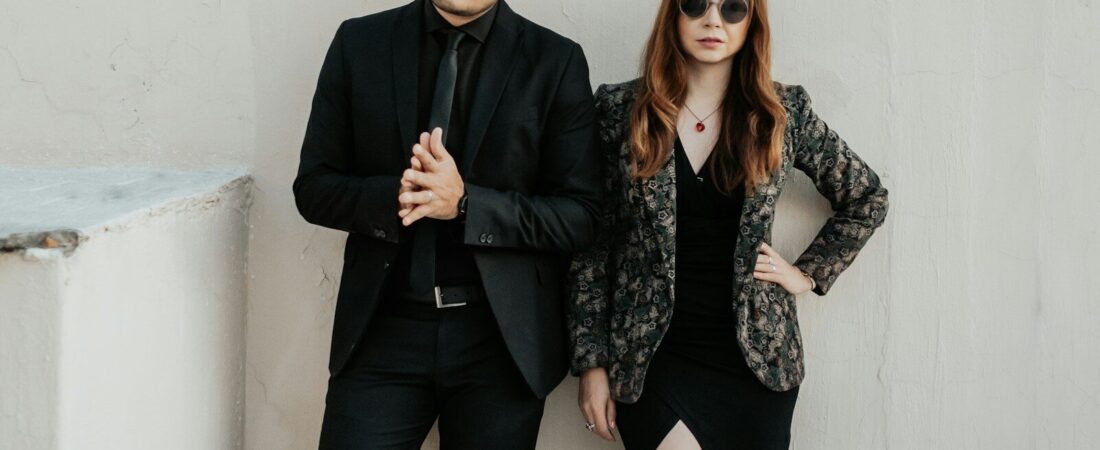
Celebrity collaborations often begin with a simple question: what happens when two artists from different worlds share a studio, a stage, or a creative concept? Sometimes the answer is a memorable hit, a cultural moment, or a partnership that changes how audiences think about both participants. When the pairing seems unlikely on paper, the results can be even more interesting.
Unexpected partnerships attract attention because they combine different audiences, creative instincts, and musical traditions. A rock band working with a hip-hop group, a pop star teaming with a country singer, or an actor stepping into a musical role can all produce results that neither artist would have achieved alone. The surprise factor draws people in, but the collaboration still has to deliver something worth hearing or seeing.
This article explores some of the most notable unexpected celebrity collaborations across music, fashion, and entertainment. It examines why these partnerships worked, what each artist contributed, and what audiences and emerging creators can learn from them.
Why Unexpected Celebrity Collaborations Attract Attention
Audiences are naturally curious when two celebrities with different generations of performers work together. Contrasting musical genres and unexpected fan-base overlaps all create a sense of novelty. Creative experimentation and cross-cultural influences add another layer of interest. Media coverage often amplifies this curiosity, turning the collaboration into a conversation before the project is even released.
Surprise alone does not guarantee success. A collaboration still needs a convincing creative idea and a reason for both participants to belong in the same project. When the pairing feels forced or purely commercial, audiences tend to notice. When it feels genuine, the result can resonate far beyond the initial curiosity.
Music Collaborations That Nobody Expected
Some of the most memorable music features came from pairings that seemed unlikely at the time. The following examples illustrate how different artists found common ground and created something that connected with a wide audience.
Aerosmith and Run-D.M.C.: “Walk This Way”
Aerosmith and Run-D.M.C. collaborated on a 1986 remake of “Walk This Way,” a song that originally appeared on Aerosmith’s 1975 album Toys in the Attic. The pairing of a rock band and a hip-hop group was unusual for the era, and the collaboration helped introduce hip-hop to a broader rock audience while revitalizing Aerosmith’s career. The song’s success demonstrated that genres could blend in ways that felt natural rather than forced.
Nelly and Tim McGraw: “Over and Over”
Nelly, a rapper from St. Louis, and Tim McGraw, a country music star, collaborated on “Over and Over” in 2004. The song appeared on Nelly’s album Suit and combined hip-hop production with country storytelling. The pairing surprised many listeners, but the track became a crossover hit and showed that country and hip-hop could share a melodic space.
Santana and Rob Thomas: “Smooth”
Carlos Santana and Rob Thomas of Matchbox Twenty collaborated on “Smooth” for Santana’s 1999 album Supernatural. The song blended Latin rock, pop, and alternative influences, and it became one of the most recognizable hits of the late 1990s. The collaboration introduced Santana to a new generation of listeners while giving Thomas a platform beyond his band’s audience.
Mark Ronson and Bruno Mars: “Uptown Funk”
Producer Mark Ronson and singer Bruno Mars teamed up for “Uptown Funk” in 2014. The song drew on funk, soul, and Minneapolis sound influences, and it became a global hit. The collaboration worked because both artists shared a clear vision for the track’s retro-modern aesthetic, and their combined strengths made the song feel both familiar and fresh.
Lady Gaga and Bradley Cooper: “Shallow”
Lady Gaga and actor Bradley Cooper collaborated on “Shallow” for the 2018 film A Star Is Born. The song combined Gaga’s pop and vocal background with Cooper’s acting and musical performance, and it won the Academy Award for Best Original Song. The collaboration demonstrated how film and music can intersect to create a moment that resonates across multiple audiences.
When Different Music Genres Come Together
Cross-genre collaborations can be some of the most rewarding partnerships because they allow artists to step outside their usual creative boundaries. Pop and country, rock and hip-hop, R&B and electronic music, and Latin music and mainstream pop have all produced memorable combinations. The key is that each artist preserves their individual identity while contributing to a shared sound.
Not every genre combination is automatically innovative or commercially successful. Some experiments work better than others, and the results depend on the artists’ willingness to adapt, the strength of the songwriting, and the audience’s openness to something new. When the balance is right, a cross-genre collaboration can expand what listeners expect from both artists.
Celebrity Partnerships That Crossed Generations
Collaborations between established performers and newer artists can introduce different generations to each other’s work. An experienced artist brings history, craft, and a built-in audience, while a newer artist brings fresh energy, contemporary production sensibilities, and a younger fan base. When the partnership is handled thoughtfully, both participants benefit.
These collaborations can also create shared cultural moments. A veteran artist performing with a rising star can introduce the older artist’s catalog to a new generation while giving the newer artist credibility with a broader audience. The challenge is balancing different artistic identities so that neither participant feels like a guest in their own project.
Unexpected Celebrity Collaborations Beyond Music
Celebrity collaborations extend beyond music into fashion, film, television, and other entertainment fields. Actors work with musicians on creative projects, celebrities partner with fashion designers on limited collections, and artists from different cultural backgrounds collaborate on campaigns and films. These partnerships can bring together audiences that might not otherwise overlap.
The most effective collaborations beyond music tend to have a clear creative concept rather than relying solely on the fame of the participants. A well-executed partnership can introduce each collaborator to a new audience while producing something that feels distinctive rather than purely promotional.
Fashion Collaborations That Connected Different Worlds
Celebrity and designer partnerships have produced some of the most visible cross-industry collaborations. Limited-edition collections, campaign appearances, and co-designed pieces can connect a celebrity’s fan base with a designer’s audience. When the partnership reflects a genuine shared aesthetic, the result can feel like a natural extension of both parties’ creative identities.
It is important to distinguish between a celebrity wearing a designer’s clothes at an event and an actual collaborative project. A true collaboration involves creative input, shared planning, and a product or campaign that reflects both participants’ contributions. Those partnerships tend to have more lasting impact than a simple red carpet appearance.
What Makes a Celebrity Collaboration Successful?
Complementary Creative Strengths
Different talents can enhance a shared project without either artist losing their individuality. A strong vocalist paired with a distinctive producer, or a songwriter paired with a performer who brings emotional depth, can produce results that neither would achieve alone. The best collaborations feel like a sum greater than its parts.
Authentic Creative Chemistry
A collaboration often feels more convincing when the participants’ contributions work naturally together. Audiences can usually sense when a partnership is purely transactional. When the chemistry is genuine, the project tends to connect more deeply, even if the artists come from very different backgrounds.
The Right Timing
Cultural trends, release timing, and audience interest can all affect how a collaboration is received. A project that arrives at the right moment can capture a cultural mood and reach listeners who are ready for something new. Timing does not guarantee success, but it can amplify the impact of a strong partnership.
Access to New Audiences
One of the most practical benefits of collaboration is audience expansion. Each participant can introduce the other to listeners, viewers, or customers who may not otherwise encounter their work. This cross-pollination is one reason artists and brands continue to pursue unexpected partnerships.
Strong Promotion and Distribution
Marketing, interviews, live performances, music videos, social media, and distribution all play a role in helping audiences discover a collaboration. Even the strongest creative partnership can go unnoticed without effective promotion. The most successful collaborations combine creative quality with a clear release strategy.
A Clear Creative Identity
A successful partnership needs a coherent concept rather than relying solely on the fame of the participants. When the collaboration has a distinct identity, whether through a shared sound, visual style, or thematic idea, it tends to leave a stronger impression than a project that feels like a simple combination of two names.
Collaborations That Generated Buzz but Divided Audiences
Not every high-profile collaboration achieves lasting success. Some partnerships attract significant attention but receive mixed critical reception, underperform commercially, or fade from public memory quickly. It is important to distinguish between commercial performance, critical reception, public controversy, and long-term cultural impact.
A collaboration can generate buzz without becoming a lasting success, and a project that divides audiences at release can sometimes be reevaluated years later. The reasons for mixed results vary and often involve creative choices, timing, or audience expectations rather than a single factor.
How Social Media Changed Celebrity Collaborations
Social media, short-form video, fan communities, and behind-the-scenes content have changed how collaborative projects are discovered and received. A teaser clip, a studio session photo, or a live performance snippet can generate anticipation before a project is released. Online conversations can help a partnership reach audiences that traditional promotion might miss.
At the same time, social media creates pressure for immediate attention. Collaborations that do not generate quick engagement may struggle to maintain momentum, even if the creative work is strong. The relationship between social media visibility and lasting success is complex, and attention alone does not guarantee a project will endure.
What Emerging Artists Can Learn From Celebrity Collaborations
Emerging artists can take several practical lessons from successful collaborations. Choosing complementary creative partners is often more effective than working with someone who shares an identical style. Reaching audiences beyond an existing fan base can accelerate growth, but it requires a genuine creative reason for the partnership. Maintaining a recognizable identity is essential so that the collaboration enhances rather than obscures each artist’s voice.
Promoting a shared project consistently, giving each participant a meaningful role, and measuring success using relevant outcomes rather than attention alone are all useful principles. Collaborations work best when both participants have something to gain and something to contribute.
The Future of Unexpected Celebrity Partnerships
Cross-genre music, international partnerships, digital entertainment, fashion collaborations, and creative projects are likely to continue producing unexpected combinations. As platforms and distribution models evolve, artists may find new ways to connect with collaborators across borders and industries. These possibilities should be understood as emerging trends rather than guaranteed outcomes.
What seems unlikely today can become a defining project tomorrow. The history of celebrity collaborations suggests that the most interesting results often come from partnerships that initially seemed improbable.
Why the Best Celebrity Collaborations Work
The most successful celebrity collaborations combine contrasting strengths, creative compatibility, good timing, and a clear shared vision. When these elements come together, an unexpected partnership can produce something that neither artist would have created alone. The surprise factor draws audiences in, but the creative quality keeps them engaged.
From cross-genre music features to fashion partnerships and film collaborations, the best examples show that different backgrounds and creative approaches can complement each other in ways that feel natural rather than forced. Celebrity collaborations will continue to evolve as new platforms, genres, and cultural influences emerge, and the most memorable partnerships will be those that bring something genuinely new to the conversation.
BaddiesHub’s Take on Celebrity Collaborations
At BaddiesHub, we follow the creative partnerships that shape music, fashion, and pop culture. Our coverage explores how artists work together across genres and scenes.
We also examine figures whose work reflects the cross-genre nature of modern music across pop, rap, and R&B.
Our editorial approach focuses on the stories behind the collaborations, the creative decisions that shape them, and the cultural context in which they emerge.
We continue to cover the evolving landscape of celebrity partnerships and the ways audiences engage with collaborative work.